Key takeaways
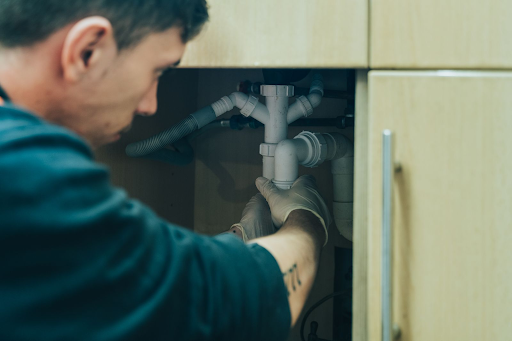
Where your stopcock is depends on the house, but it is usually under the kitchen sink, just after the mains water pipe enters the property. Turn it clockwise to shut the water off. Stopcock, stop tap and stop valve are different names for the same valve.
If it is not under the sink, work through the other places in the first table below. If it will not turn, or the water keeps running after you close it, call an emergency plumber instead of forcing it.
The stopcock is usually found just after the water pipe enters your house, according to Thames Water. The table lists the places it turns up most often.
Check each area in turn, starting with the kitchen, and look for a valve on the incoming water pipe.
South East Water describes an inside stop tap as looking like a tap handle with no spout. If you find a valve like that on the pipe coming into the house, you have found it.
Trace the water supply pipe back to the point where it enters the property, because the stopcock is usually just after it. If you cannot find one at all, ask a plumber, and do it before you need the water off in a hurry.
Turning the stopcock clockwise shuts the water off. Work through the steps in order, and stop if the valve resists.
Turn the valve clockwise until it will not turn any further. According to Thames Water, it may take a few turns to stop the water.
Water can keep running from the taps for a few minutes after you close the valve. Wait before you assume it has failed.
Once the water is isolated, WaterSafe advises draining the pipes by opening a cold tap. That clears the water still in the system.
WaterSafe warns that over-tightening or using excessive force can damage the stop tap. Turn it slowly, and if it will not close, call a plumber.
When the repair is done, turn the valve anti-clockwise. It may take several turns, and water can take a few minutes to reach the taps.
An outside stop tap controls the water supply into the property from outside it. South East Water says to use it only in an emergency, such as a leak on the supply pipe. The table compares the two.
Which tap to use matters less than who to call when one fails: a plumber for the inside valve, your water company for the outside one.
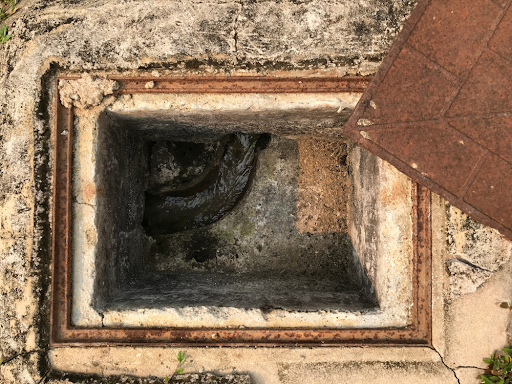
WaterSafe says it is often near the property boundary under a small cover, about the size of a CD case. If you have a water meter, it will generally sit in the same chamber. Anglian Water places it on the footpath, verge or just inside the boundary and says you may need a stop tap key. Southern Water says it is normally in the public footpath.
WaterSafe says the outside stop tap belongs to your local water supplier. It adds that you may need permission to operate it even in an emergency, and that you may be liable for repairs if you damage it. Other water companies describe the split of responsibility differently, so check with yours before you use it.
WaterSafe says some properties have no outside stop tap, which is common in older homes. Others share one supply with neighbours. If you cannot find yours, contact your local water supplier. If it serves more than one home, tell your neighbours before you turn it off.
A stopcock that won't turn needs a plumber, not more force. Thames Water says you should not need excessive force to turn the valve further, and South East Water says to contact a plumber if it will not turn or the water does not stop within a few minutes.
None of these involves forcing the valve, because WaterSafe warns that excessive force can damage it.
Thames Water lists several options an accredited plumber can use when an inside stop valve is faulty. They include fitting a SureStop device, using freezing and clamping as a short-term fix, and fitting an Aladdin valve without turning the water off.
Thames Water suggests a monthly calendar reminder to check the valve works. WaterSafe suggests turning it off and on a couple of times a year to keep it free. The point is to find out it is stiff before you need it in an emergency.
A leaking stop tap should be isolated and then repaired or replaced by a plumber. WaterSafe says to isolate the water first and drain the pipes by opening a cold tap. The table shows where leaks tend to come from and what to do.
Whatever the cause, the first step is the same: isolate the water, open a cold tap to drain the pipes, then call a plumber.
WaterSafe advises against forcing seized parts or working on fragile or corroded pipework. A valve that is cracked or has rounded off needs a plumber to decide between repair and replacement.
Turning the water off stops the damage from spreading, but it does not fix the cause. Once the pipes are drained, look for where the water was coming from.
A burst pipe needs repairing before the water goes back on. A plumber can fit the repair, and the steps for fixing a burst pipe are worth reading while you wait.
Leave the water off and call a plumber. Tips for handling plumbing emergencies can help you stay calm in the meantime.
Everyone who uses a building should know where the stopcock is. WaterSafe recommends making sure everyone in the household knows where both the inside and outside stop taps are.
Landlords and letting agents can tell tenants where the stopcock is when they move in. In flats, the valve may be communal, so it helps to know who can access it.
For offices, shops and units, record where the stopcock and the outside stop tap are, and make sure staff can reach them. Our commercial plumbing team covers plumbing across London and the South East.
Knowing where your stopcock is before something goes wrong lets you stop a leak quickly. It is usually under the kitchen sink, it turns clockwise to close, and it should move without force.
Find it now, turn it off and on once to check it works, and find out where your outside stop tap is as well. If either one is stuck, leaking or missing, get a plumber to look at it before you need it.
Stopcock stuck, leaking or water not stopping?
If the valve will not turn, leaks, or the water keeps running after you close it, you need a plumber. Our plumbers are on call 24 hours a day across London and the South East.
Usually under the kitchen sink, close to where the water pipe enters the house. It can also be in a cupboard, under the stairs, in a downstairs bathroom or cloakroom, in a garage, utility room or cellar.
Clockwise. It may take a few turns, and water can keep running from the taps for a few minutes. Turn it anti-clockwise to restore the supply.
There is no difference in practice. Stopcock, stop tap and stop valve all name the valve that shuts off the mains water to the property. Inside and outside describe where it is.
Often near the property boundary under a small cover, on the footpath or verge, or in the water meter chamber. Not every property has one, particularly older homes.
Water companies advise against forcing it, because that can damage the valve. If it will not turn or the water does not stop within a few minutes, contact a plumber.
Isolate the water if you can, drain the pipes by opening a cold tap, and call a plumber. A leak at the outside stop tap should be reported to your water company.
You may need permission from your water supplier even in an emergency, and you may be liable if you damage it. Check with your water company first.
Stopcock stuck or water won't stop? Call us now.
FS Group's plumbers are on call 24 hours a day across London and the South East. Tell us what the stopcock or stop tap is doing and we will tell you whether it needs a repair or an emergency visit.