Key takeaways
When your boiler stops working, the instinct is to reset it and hope. Sometimes that works. More often, the boiler locks out again within minutes, and you are no closer to an answer. What you need to know is that a boiler that is not working is not a single fault; it is one of many possible faults with very different causes. Before you act, you must know the cause.
This guide covers every common reason a boiler stops working, what each cause looks like in practice, what you can safely check or fix yourself, and when the problem needs a Gas Safe registered engineer.
Nearly 1.5 million UK households experience boiler issues every winter. Most faults fall into a handful of categories. If you work through them in the right order, you can usually identify the cause in under ten minutes.
Modern boilers display a fault code when they lock out. It is the fastest route to a diagnosis.
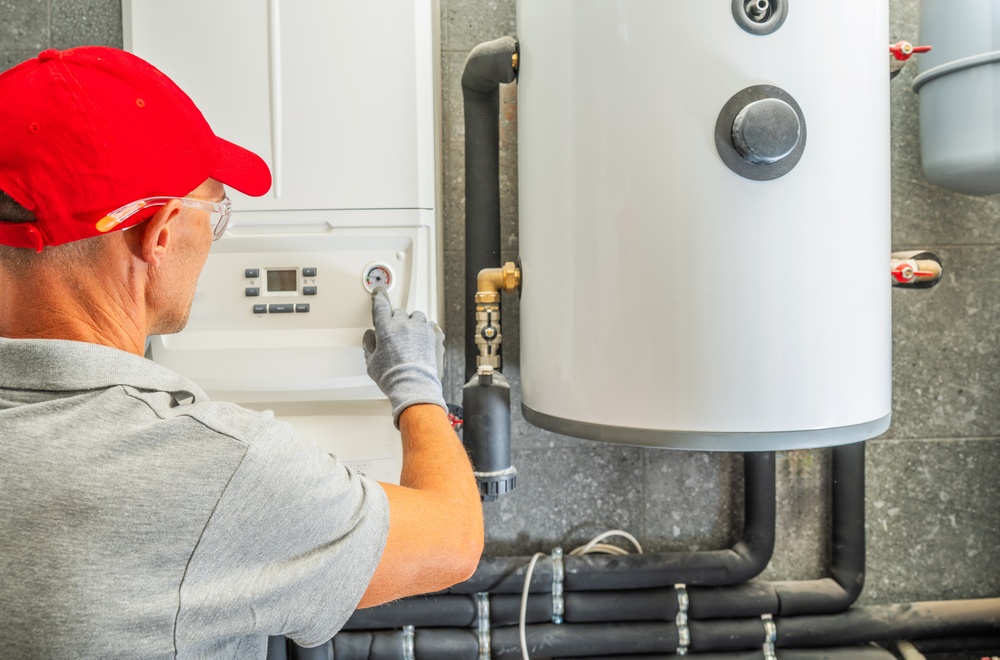
Go to the boiler and note the code shown on the display. Every manufacturer uses their own system, so an F1 on a Worcester Bosch means something different from an F1 on a Vaillant or a Baxi.
Find the code in your boiler manual or search the boiler model and code together. It will point you toward the general area of the fault: pressure, ignition, temperature sensor, flow rate, or gas supply.
If the display is completely blank, the boiler has no power. Skip to the power section below. If the boiler is displaying a code you cannot find in the manual, write it down before calling an engineer. This speeds up the diagnosis considerably.
What it is: The boiler is not receiving electricity. Without power, it cannot run the controls, display, pump, or ignition sequence.
How to identify it: The display panel is completely blank with no lights, indicators, or sounds. Nothing responds when you press any controls.
What to check:
What to do: Restore power and reset the boiler. If the display comes on and the boiler fires, the problem was likely a tripped circuit caused by a voltage spike or brief overload. If it trips again, stop resetting and call a professional.
What it is: Low boiler pressure is one of the most common reasons a boiler stops working. When the system pressure drops below around 1 bar, the boiler's safety mechanism locks it out to prevent damage.
How to identify it: The pressure gauge on the front of the boiler reads below 1 bar, or the needle is in the red zone. Many boilers also display a specific fault code for low pressure.
What to check:
What to do: Repressurise using the filling loop, a braided hose beneath the boiler with one or two valves. Open the valve slowly until the gauge reads 1.2 to 1.5 bar, close it firmly, then reset the boiler. If the pressure drops again within a few days, there is a leak that needs professional investigation.

What it is: The boiler is working, but nothing is telling it to fire. This accounts for a larger proportion of no-heating call-outs than most people expect.
How to identify it: The boiler display shows no fault code and appears to have power, but the heating or hot water is not coming on.
What to check:
What to do: Correct the settings and test whether the boiler fires. If it does, the problem was a settings issue rather than a fault. If the thermostat display is blank, replace the batteries before drawing any other conclusions.
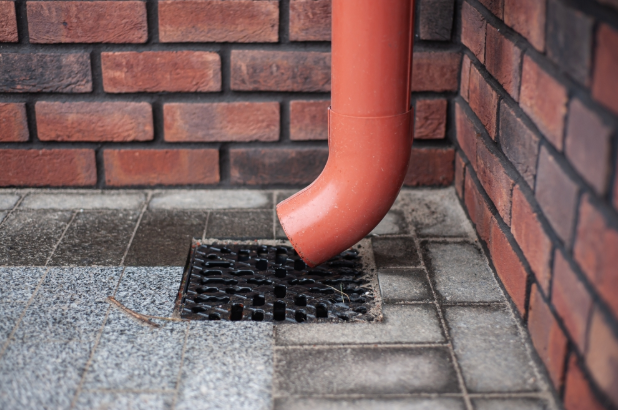
What it is: Condensing boilers (most boilers installed in the UK since 2005) produce acidic wastewater as a byproduct of their efficiency. This condensate drains out through a plastic pipe that usually exits through an external wall.
In freezing temperatures, the water inside can ice over completely. The boiler detects the blockage, shuts down to prevent internal flooding, and locks out.
How to identify it: The boiler stopped working during or shortly after a cold snap, and there is often a gurgling sound before lockout. The fault code usually points to a condensate or drainage issue.
What to do: Locate the condensate pipe. It is typically a white or grey plastic pipe, 22mm in diameter, running from the boiler to an outside wall or drain.
Pour warm water (not boiling) over the frozen section, or wrap a hot water bottle around it. Once the ice clears, the water will drain, and you can reset the boiler. Having the exposed section of pipe insulated afterwards prevents the same problem from repeating.
What it is: The boiler is receiving power and pressure is correct, but it is not receiving gas. Without gas, it cannot ignite.
How to identify it: The boiler attempts to ignite but fails repeatedly, usually displaying an ignition fault code. Or nothing gas-powered in the property is working.
What to check:
What to do: If other appliances work but the boiler does not ignite, the gas supply is reaching the property. The issue is likely the gas valve or ignition components inside the boiler, and both require a Gas Safe engineer.
If you can smell gas at any point, do not attempt to operate any switches or appliances. Leave the property immediately and call the National Gas Emergency Service on 0800 111 999.
What it is: The boiler has gas and power, but the ignition system is failing to light the burner. Modern boilers use electronic ignition; older models have a pilot light.
How to identify it: The boiler attempts to fire (and you may hear it trying) but cuts out and locks out without establishing a flame. The fault code will usually reference ignition or flame failure.
Common causes:
What to do: Ignition component faults require a Gas Safe registered engineer. Do not attempt to open the boiler casing or adjust internal gas components.
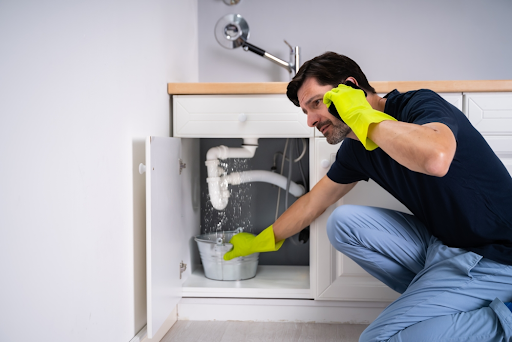
What it is: Water is escaping from the boiler or the pipework connected to it. A water leak can cause low pressure, damage surrounding components, and, if water reaches the PCB, create a serious electrical fault.
How to identify it: Water visible beneath or around the boiler, damp patches on the wall behind or below it, or a pressure gauge that keeps dropping without explanation.
Common causes:
What to do: Turn the boiler off and call an engineer. Do not leave a leaking boiler running. Water and electrical components inside the boiler are a serious combination, and a small drip can become a significant fault if left unaddressed. The cost of fixing a seal or joint today is substantially less than replacing a PCB or heat exchanger damaged by water ingress.
What it is: Kettling is a rumbling, whistling, or boiling sound coming from the boiler or the heating system. It is caused by water overheating locally within the heat exchanger, usually due to limescale or sludge restricting flow.
How to identify it: A persistent sound like a kettle boiling or a rumbling noise when the boiler is running, particularly from the boiler itself or from specific radiators. Black or dark water released when bleeding a radiator is a strong indicator of sludge contamination.
Why it matters: Limescale forms when minerals in mains water deposit on the inside of the heat exchanger as the water heats up. This is more aggressive in hard water areas, which covers much of London and south-east England. Over time, the restricted flow causes sections of the heat exchanger to overheat, and if left untreated, the heat exchanger fails.
What to do: A Gas Safe engineer can carry out a system flush or powerflush to remove sludge, and descale the heat exchanger if limescale is the cause. A magnetic system filter fitted afterwards captures debris before it reaches the boiler.
Kettling caught early is a repair; kettling ignored can become a heat exchanger replacement costing £300 to £800 or more.

What it is: On combi boilers, the diverter valve controls whether the boiler's heat goes to the radiators or to the hot water circuit. When it fails, it tends to stick in one position, sending heat only to the radiators (no hot water) or only to the taps (no heating).
How to identify it: The boiler fires and the system has pressure, but either the hot water or the heating is not working while the other is. If you have no heating or hot water from both circuits, the diverter valve is less likely to be the cause; look at pressure and ignition first.
What to do: A diverter valve replacement is a routine repair for a Gas Safe engineer, typically costing £200 to £350. It is not a DIY repair.
What it is: The PCB (printed circuit board) is the boiler's control system. It processes signals from sensors, thermostats, and safety devices and coordinates every part of the boiler's operation. A PCB fault can produce almost any symptom: failure to fire, random lockouts, incorrect temperature readings, a blank display, or flickering controls.
How to identify it: PCB faults are often a diagnosis of exclusion. When pressure, gas supply, ignition, and other components have been checked and found to be functioning, the PCB becomes the suspect. An engineer will test it directly.
Common causes:
What to do: PCB replacement costs between £250 and £450 depending on the boiler model. For older boilers outside warranty, this cost alongside the repair bill sometimes makes a full boiler replacement the more economical option. A Gas Safe engineer can advise on whether repair or replacement makes more sense given the boiler's age and overall condition.
What it is: The circulating pump moves hot water from the boiler around the heating system. If it fails, the boiler may fire, but heat does not reach the radiators and the boiler may quickly lock out due to overheating.
How to identify it: The boiler fires and you can hear it running, but radiators are cold and do not warm up. The boiler may lock out shortly after firing, displaying a fault code related to flow or temperature.
What to do: Pump replacement typically costs between £200 and £400 including labour. It is a relatively accessible repair for an engineer and does not usually require a decision about boiler replacement.
Here is an honest breakdown of everything you can expect to pay for fixing these boiler issues in the UK:
| Fault | Typical Repair Cost |
|---|---|
| Pressure top-up (self-resolved) | £0 |
| Thermostat replacement | £80 to £200 |
| Condensate pipe defrost / insulation | £70 to £150 |
| Ignition electrode replacement | £150 to £250 |
| Diverter valve replacement | £200 to £350 |
| Pump replacement | £200 to £400 |
| Gas valve replacement | £200 to £450 |
| System powerflush | £300 to £500 |
| PCB replacement | £250 to £450 |
| Heat exchanger replacement | £300 to £800+ |
| Emergency call-out surcharge | £50 to £150 on top of repair cost |
These are approximate figures for the UK in 2026. London and south-east rates sit at the higher end. Always request a fixed-price quote before work begins.
A repair nearly always makes financial sense when the boiler is under 10 years old, still under manufacturer warranty, or the fault is a single, defined component.
The calculation shifts when the boiler is over 12 to 15 years old, outside warranty, and the repair cost approaches or exceeds £500. At that point, the same money applied toward a new boiler — which will be more efficient, carry a new warranty, and not need the same repair again — often represents better value.
A Gas Safe engineer should be able to give you an honest assessment of whether the boiler is worth repairing before work starts. If a quote comes without that conversation, it is reasonable to ask for it.
Call an emergency heating engineer immediately if:
For commercial properties, a boiler failure is an operational problem as much as a comfort one. A hotel, care home, or restaurant without heating or hot water faces immediate compliance and trading consequences that a residential breakdown does not. Emergency response in those environments cannot wait.
A boiler not working is nearly always one of a defined set of faults. Work through them in order: power, pressure, settings, condensate, gas supply, before assuming the worst. Most of the checks above are safe for any homeowner or property manager to carry out and take under ten minutes.
When the simple checks do not resolve it, or when the boiler keeps locking out after a reset, a Gas Safe registered engineer is the right call. The fault code the boiler has been displaying is the best starting point for that conversation.
Why has my boiler suddenly stopped working?
The most common causes are low pressure, a tripped circuit, incorrect thermostat or timer settings, a frozen condensate pipe in cold weather, or a boiler lockout triggered by a component fault. Read our guide above for a full breakdown.
What does it mean when a boiler locks out?
A lockout is a safety shutdown. The boiler has detected a fault like low pressure, ignition failure, overheating, or a flow problem, and cut out to prevent damage or danger. The fault code displayed tells you what triggered it.
Can I fix my boiler myself?
Some checks are safe to do yourself: topping up pressure, checking thermostat settings, resetting the boiler, or thawing a frozen condensate pipe. Anything involving internal gas components, the boiler casing, or the PCB must be carried out by a Gas Safe registered engineer. DIY gas work is illegal in the UK.
How much does a boiler repair cost in the UK?
The average boiler repair costs around £300 in 2026, with a typical range of £120 to £750 depending on the fault. Minor repairs such as thermostat replacement sit at £80 to £200. Major component failures such as a heat exchanger or PCB can reach £450 to £800 or more.
Why does my boiler keep losing pressure?
Recurring pressure loss usually indicates a small leak somewhere in the system, in the pipework, radiators, or the boiler itself. Topping up the pressure resolves the immediate lockout but does not fix the underlying leak. An engineer should trace and repair the source.
When should I replace my boiler?
When the boiler is over 12 to 15 years old, outside warranty, and the repair cost approaches £500 or more. At that point, the cost of a new boiler often represents better long-term value than repeated repairs.
Is a yellow boiler flame dangerous?
Yes. A correctly burning gas flame is crisp and blue. A yellow or orange flame indicates incomplete combustion, which produces carbon monoxide. Switch the boiler off immediately and call a Gas Safe engineer. Do not use the boiler until it has been inspected.
Heating or hot water still not right?
If the checks above have not fixed it, the fault needs an engineer. Call us and we will arrange a visit.
Boiler or heating fault in London or the South East?
FS Group repairs and services boilers and central heating across London, Essex, Kent and Hertfordshire. Call to book an engineer.


.png)
.png)

























.jpeg)



.jpeg)
.png)
.png)
.png)
.png)