Key takeaways
The most common causes of a washer not draining are a blocked drain hose, a clogged pump filter, or a restriction in the household drainage system. In many real cases, the washer is doing exactly what it should. The water simply has nowhere to go.
This matters because misdiagnosis leads to wasted money. People replace machines when the problem is actually in the plumbing. Others keep forcing cycles to finish and end up flooding utility rooms. Knowing where to look first makes a real difference.
This guide walks through how professionals approach the problem, what you can safely check, and when the issue is no longer a washer problem at all.
A washing machine drains using a small internal pump that pushes wastewater out through the drain hose and into your home’s drainage system. That system could be a standpipe, a utility sink, or a dedicated appliance trap connected to the main waste line.
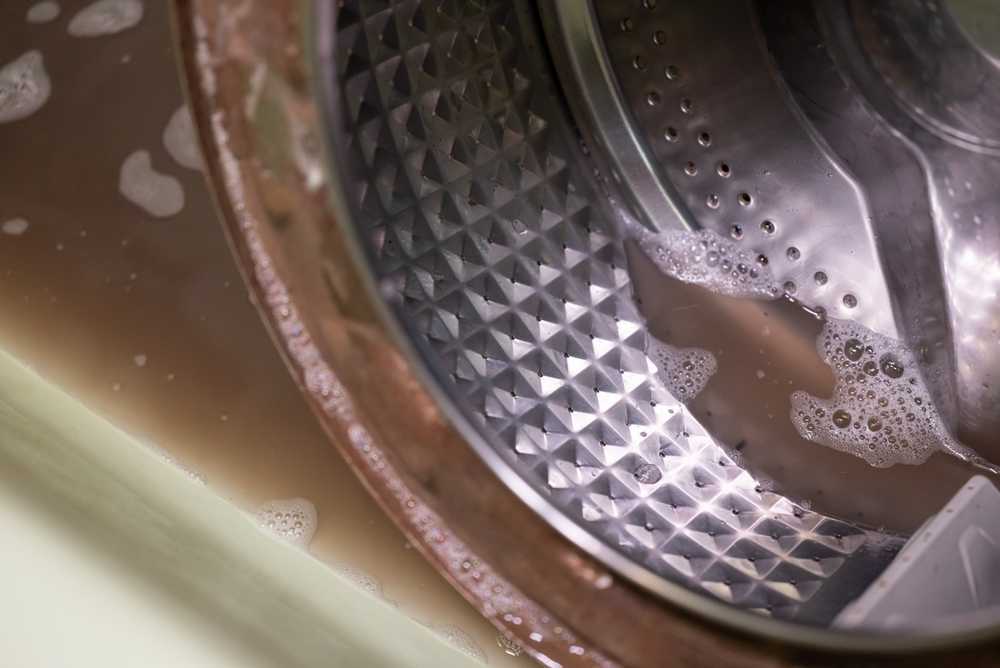
If any part of that path is blocked, restricted, or backed up, the washer cannot drain properly. The machine may stop mid-cycle, display an error code, or leave standing water in the drum.
According to appliance guidance from Whirlpool and Bosch, drainage faults are among the most common service issues reported for residential washing machines. The key point is that the fault is often external to the appliance.
The way the washer fails tells you a lot. If water remains in the drum but you do not hear the pump running, the issue may be internal. If you hear the pump working but nothing drains, the blockage is usually downstream.
If the washer drains slowly or overflows a standpipe, that strongly suggests a household drainage restriction. If nearby sinks or floor drains also gurgle or back up, the washer is exposing a plumbing issue that already existed.
Professionals pay close attention to these patterns before touching the machine.
There are a few checks that do not involve risk or disassembly beyond basic access panels.
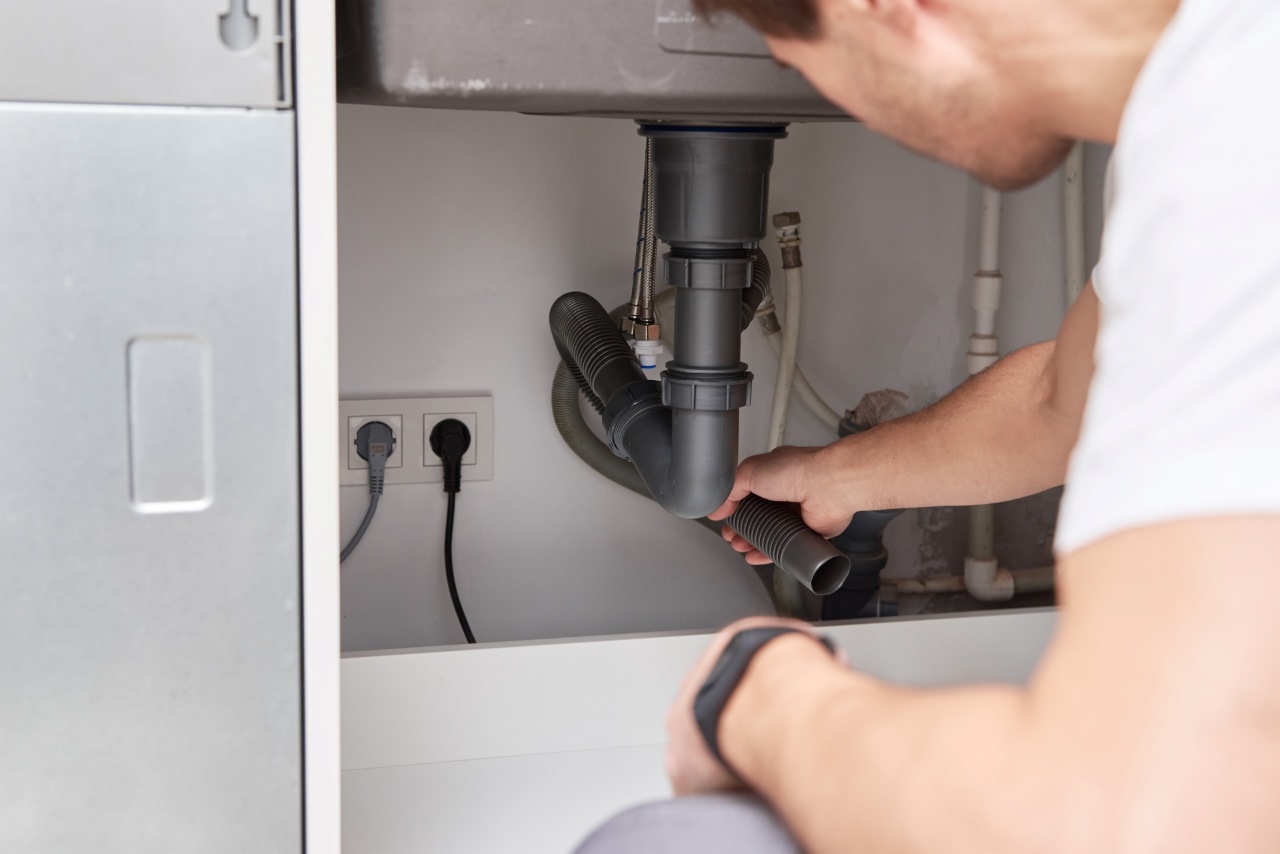
Start with the drain hose. Make sure it is not kinked, crushed, or pushed too far into the standpipe. A hose inserted too deeply can cause air lock and stop proper flow.
Next, check the pump filter if your machine has one. Many front loaders include a small access panel at the bottom. Coins, lint, and fabric debris commonly collect here and restrict drainage.
If your washer drains into a utility sink, watch the flow during a drain cycle. If water rises quickly or drains slowly, the problem is in the plumbing, not the washer.
If none of these checks improve the situation, stop there. Continuing cycles or forcing drains can push water into places it should not go.
Washing machines discharge water faster than most fixtures. When a drain line is partially blocked, it may handle sinks and showers without obvious symptoms. The washer then becomes the stress test that reveals the issue.
This is why people often search for "why is my washer not draining?”, even though the machine worked fine for years. The drainage system slowly degraded, and the washer was the first to complain.
The UK Water Industry Research group has documented that domestic waste pipes commonly accumulate detergent residue, grease, and fabric fibres over time. These materials narrow the pipe diameter and reduce flow capacity long before a full blockage occurs.
If multiple fixtures are slow, if water backs up elsewhere when the washer drains, or if the issue returns shortly after clearing visible debris, the fault is almost certainly in the drainage system.
In these cases, replacing pumps or calling appliance repair rarely solves the root cause. Professional drain inspection is the correct next step.
At FS Group, this is a common callout. A washer that will not drain is often the symptom that leads us to a partially collapsed pipe, a heavy internal blockage, or a failed connection behind the wall. Addressing the drainage properly prevents repeat failures and water damage.
Chemical drain cleaners are a frequent mistake. They rarely dissolve the dense mixture of lint, detergent, and grease that builds up in appliance lines. Worse, they can damage older pipes and seals.
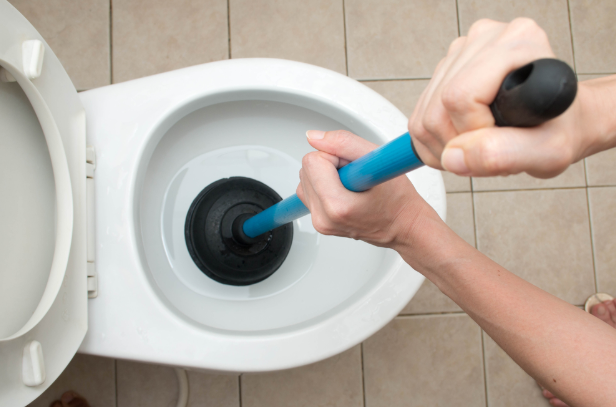
Mechanical plunging can help at a sink, but is ineffective for washing machine standpipes and can force debris deeper into the system.
Temporary improvements that fail within days are a clear signal that the blockage is structural or located further down the line.
Professionals do not start by guessing. They confirm whether the pump activates, observe discharge behaviour, and inspect the drainage path.
If a plumbing issue is suspected, CCTV drain inspection is often used to identify restrictions, buildup, or damage without unnecessary excavation. This targeted approach keeps repair costs under control and avoids repeated disruptions.
All in all, proper diagnosis is the single most important factor in resolving appliance drainage problems efficiently.
If your washer repeatedly fails to drain, if water backs up elsewhere, or if you notice foul smells coming from the drain, professional help is the right move.
Water left standing in a washing machine can damage internal components, promote mould growth, and lead to leaks. More importantly, hidden drainage problems tend to worsen quietly until they become emergencies.
FS Group handles emergency drainage issues every day, including washer-related backups that turn out to be system-wide problems. Early intervention usually means simpler fixes and less disruption.
When washers stop draining properly, often, the washer is not the problem at all. It is simply the first place you noticed it.
By checking the obvious safely, watching how the system behaves, and knowing when to stop, you avoid unnecessary repairs and protect your home.
If the signs point beyond the appliance, getting a professional assessment early is the most practical step you can take.
Still blocked after trying this?
If the water is not moving, the blockage is beyond what DIY reaches. Our drainage engineers clear it with rods, jetting or a camera survey, at any hour.
Blocked drain in London or the South East?
FS Group clears, surveys and repairs drains across London, Essex, Kent and Hertfordshire, 24 hours a day. Call and speak to the team now.

.png)
.png)



























.jpeg)



.jpeg)
.png)
.png)
.png)
.png)