Permeable pavements are one of the most practical solutions available today for managing stormwater at the source. Instead of pushing water into already overloaded drainage systems, they allow rain to pass through the surface and soak naturally into the ground below. That simple shift solves a surprising number of problems at once.
If you deal with drainage issues, flooding risk, or aging infrastructure, permeable pavements are becoming a baseline expectation in many projects.
Permeable pavements are surfaces designed to let water flow through them rather than across them. Traditional materials like asphalt and concrete are impermeable, which means rainwater runs off quickly, often overwhelming drainage systems. Permeable pavements flip that behavior.
They are built using materials such as porous asphalt, pervious concrete, or interlocking pavers with gaps filled with gravel. Beneath the surface, there is usually a layered system that stores and slowly releases water into the soil.
This design mimics how natural ground absorbs rainfall. It also reduces the need for complex drainage infrastructure in many cases.
According to the U.S. Environmental Protection Agency, permeable pavements can significantly reduce stormwater runoff volume and improve water quality by filtering pollutants before they reach groundwater or nearby waterways.
Urban areas were not designed for the volume of water they now receive. As cities expand, natural ground gets replaced with hard surfaces. Roads, parking lots, and buildings prevent water from soaking into the soil.
The result is predictable. Water runs off quickly, floods streets, and puts pressure on drainage systems. Over time, that leads to blocked pipes, erosion, and even structural damage.
In many emergency callouts, the root cause is not a broken pipe. It is simply that the system cannot handle the water load. This is where permeable pavements start to make real operational sense.
Instead of reacting to flooding after it happens, they reduce the problem at the source.
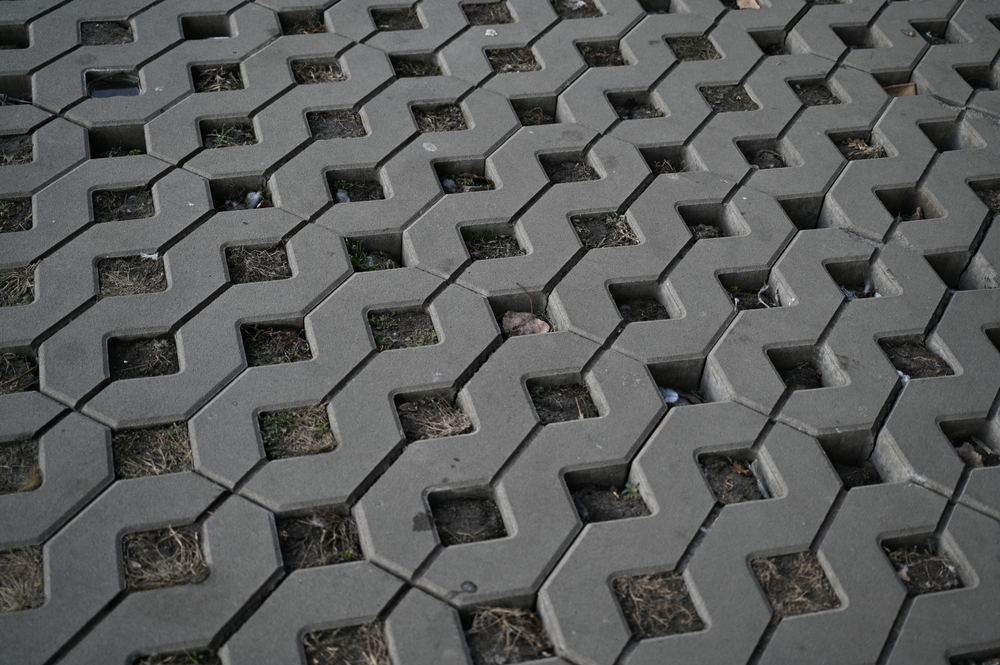
The effectiveness of permeable pavements comes from their layered structure.
At the top, the surface allows water to pass through. Below that, there is a base layer made of crushed stone or aggregate. This layer temporarily stores water and lets it slowly infiltrate into the soil.
This process does three important things.
Research from the National Asphalt Pavement Association shows that properly installed permeable pavement systems can manage a large percentage of rainfall events without any runoff at all.
That means fewer flooded streets, less strain on drainage systems, and lower long-term maintenance costs.
Permeable pavements are not just a sustainability feature. They are a practical solution in many everyday scenarios.
They are particularly effective in parking areas, driveways, walkways, and low-traffic roads. These are spaces where water buildup is common and traditional drainage often struggles.
In commercial settings, they help reduce compliance risks as regulations around stormwater management become stricter. In residential areas, they solve recurring pooling and drainage issues without requiring major excavation work.
From an operational perspective, we often see them used in projects where repeated drainage failures have already occurred. Instead of continuing to patch the same issue, switching to a permanent solution prevents it from coming back.
The main reason people consider permeable pavements is stormwater control. But the benefits go further.
They improve water quality by filtering out contaminants like oil, heavy metals, and debris. This is especially important in urban environments where runoff carries pollutants into natural water systems.
They also reduce the urban heat effect. Traditional pavements absorb and retain heat, while permeable surfaces allow airflow and moisture evaporation, which helps keep temperatures lower.
From a cost perspective, they can reduce the need for additional drainage infrastructure. Fewer pipes, fewer channels, and fewer emergency interventions over time.
For maintenance teams, this translates into fewer reactive callouts and more predictable system performance.
Permeable pavements are not a universal fix. They need to be used in the right conditions.
Soil type plays a big role. If the ground below does not drain well, the system will not perform as expected. In these cases, additional drainage design is required.
They also require proper installation. Poor base preparation or incorrect materials can lead to clogging or reduced permeability.
Maintenance is another factor. While they generally reduce major issues, they still need periodic cleaning to prevent debris buildup on the surface.
From experience, most problems with permeable pavements come down to shortcuts during installation or a lack of ongoing maintenance.
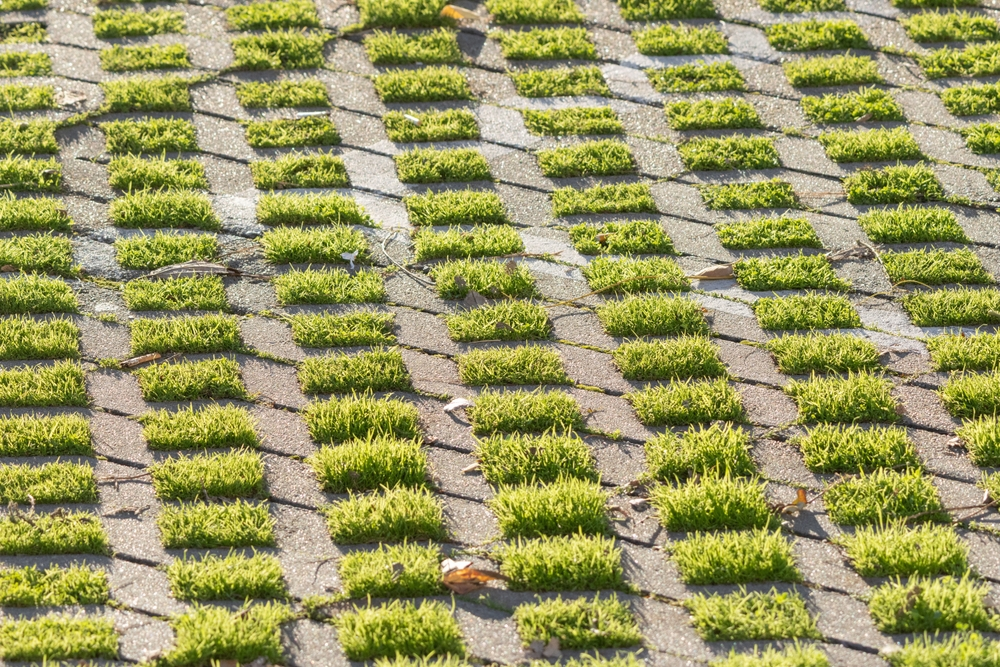
Stormwater management is shifting from centralized systems to distributed solutions. Instead of relying only on large drainage networks, cities and businesses are starting to manage water where it falls.
Permeable pavements are a key part of that shift.
They are often combined with other solutions like green roofs, rain gardens, and detention systems. Together, these approaches create a more resilient and flexible way to handle water.
The American Society of Civil Engineers has highlighted the importance of green infrastructure, including permeable pavements, in improving urban resilience and reducing long-term infrastructure costs.
This makes it shift from being just a trend to a structural change in how water management is approached.
If you are dealing with recurring surface water issues, permeable pavements should be on the table.
They are particularly relevant if you notice consistent pooling, overwhelmed drainage systems during heavy rain, or repeated maintenance issues in the same area.
They are also worth considering in new developments where long-term drainage performance matters. Building it right from the start is always more efficient than fixing it later.
From an operational standpoint, they are often introduced after a series of reactive interventions fail to solve the root problem.
At that point, switching strategy becomes the smarter move.
Permeable pavements are one of the few solutions that make both environmental and operational sense.
They reduce flooding risk, improve water quality, and lower pressure on drainage systems. They also align with where infrastructure standards are heading.
More importantly, they solve problems at the source rather than treating the symptoms. So, if recurring drainage issues are costing you time, money, and repeat callouts, it is time to look at smarter solutions.
Get in touch with our drainage experts today, and let’s take a serious look at what is really causing your drainage issues before the next storm does it for you.