Key takeaways
If you’ve ever stood over a slow drain and wondered, does bleach dissolve hair, you’re not alone. It’s one of the most searched and misunderstood questions in home maintenance. The short answer is no, bleach does not effectively dissolve hair in your drains. It might weaken it slightly over time, but it won’t clear a blockage the way people expect.
Let’s break down why that myth sticks around and what actually works, along with 7 other drain cleaning myths that cost homeowners time, money, and sometimes a much bigger plumbing bill.
Bleach is a strong chemical, so it feels logical that it would break down hair. In reality, hair is made of keratin, a protein that’s highly resistant to chemical breakdown. Bleach can damage hair structure over time, but inside a drain, where water dilutes it and contact is inconsistent, it does very little to remove clogs.
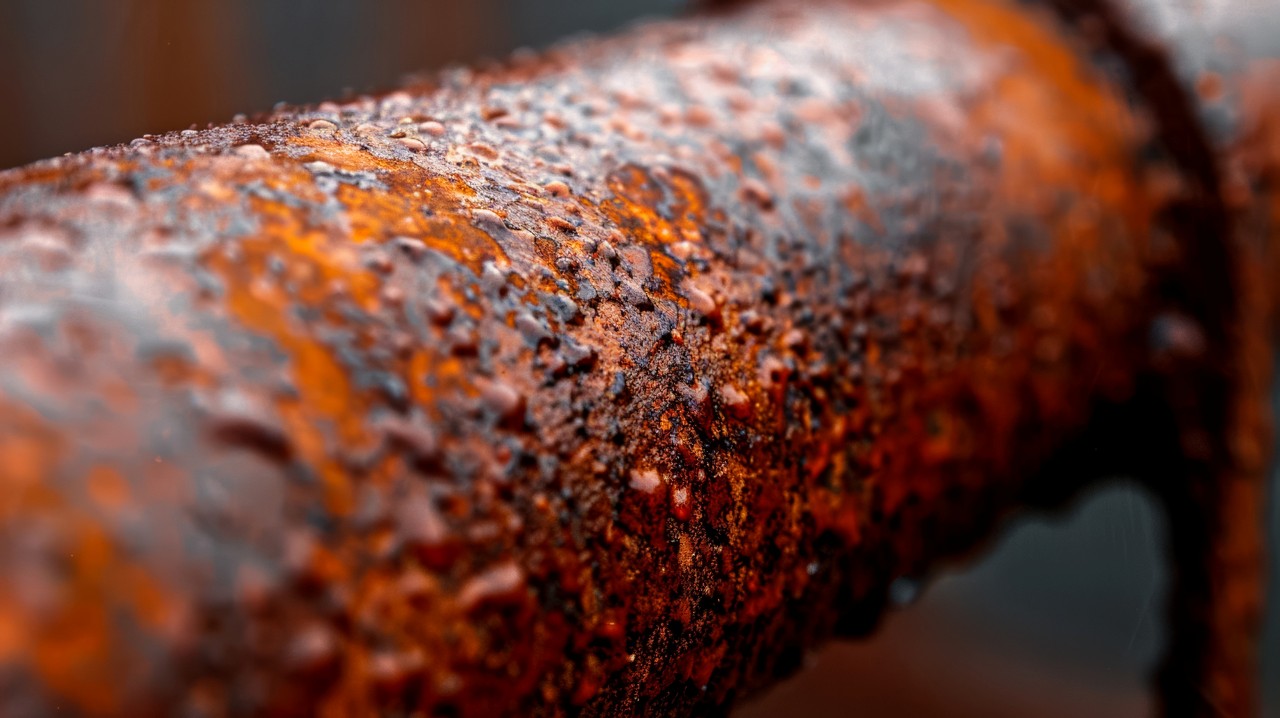
Worse, pouring bleach into your pipes can create other problems. It can react with residue already in your plumbing, release harmful fumes, and contribute to pipe corrosion, especially in older systems.
Keratin is designed to be tough and resistant to degradation, which is why hair clogs are so stubborn in the first place.
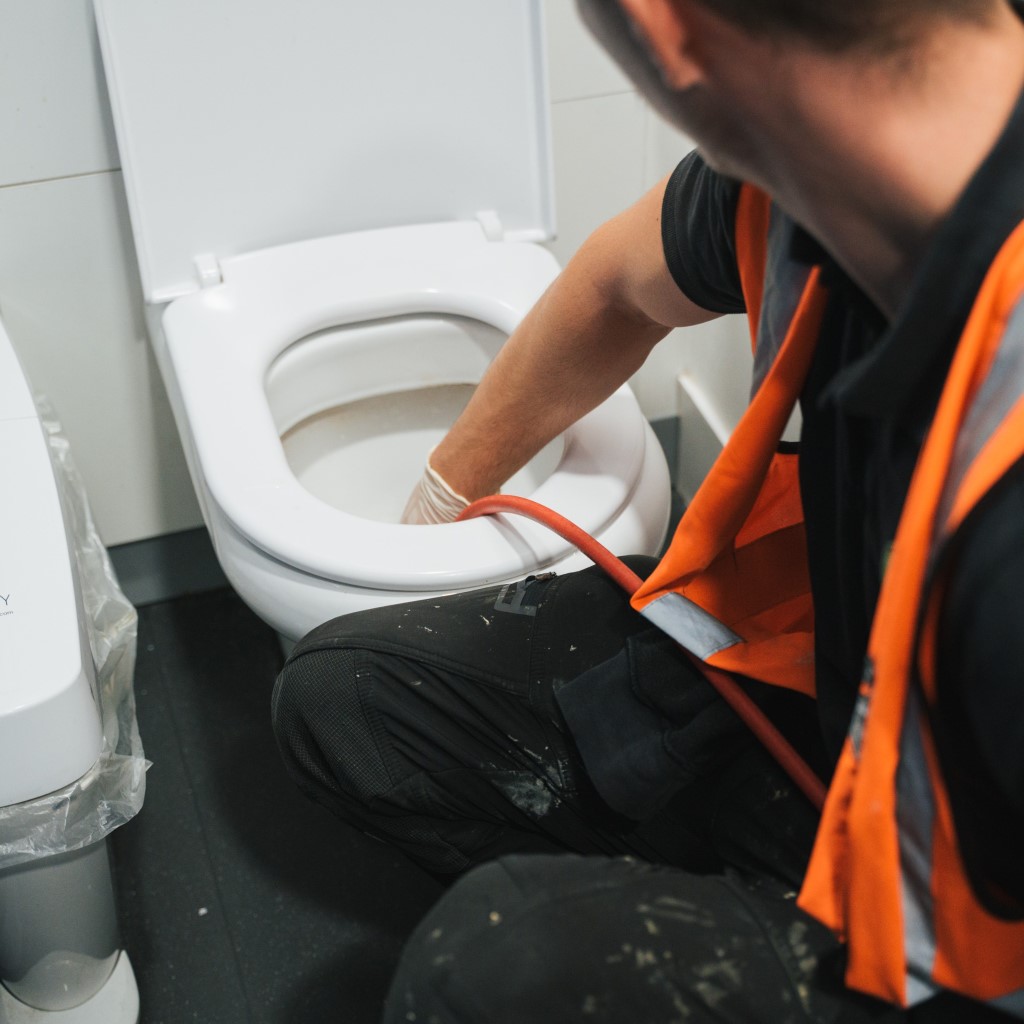
Skip the chemicals and go straight to removal. A simple drain snake or hair removal tool will physically pull out the blockage in minutes. If the clog is deeper, professional jetting clears the pipe walls properly instead of just attacking the surface.
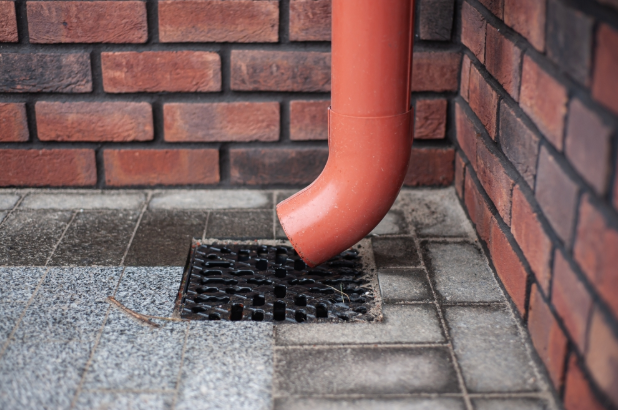
Hot water can help move grease along temporarily, but it does not solve the problem. Once the grease cools further down the pipe, it solidifies again and sticks to the walls. Over time, this builds up into a serious blockage.
This is one of the most common causes of kitchen drain issues we see in emergency callouts. Homeowners think they’re fixing the problem, but they’re just pushing it further into the system.
Grease buildup is a leading cause of sewer blockages, especially in residential plumbing. The real fix is removing the buildup, not relocating it.
Avoid pouring grease down the sink in the first place. For existing buildup, the only real fix is breaking it up and flushing it out completely. That usually means professional cleaning, especially if the pipe is already coated.
Store-bought drain cleaners promise quick results, and sometimes they deliver a short-term fix. But they often fail to address the root cause of the blockage.
Many of these products rely on harsh chemicals that generate heat to break down organic material. That heat can damage your pipes, especially PVC or older metal systems. Repeated use weakens joints and increases the risk of leaks.
We regularly get called in after chemical cleaners have made a situation worse. At that point, what could have been a simple clearance turns into a drain repair job.
Use non-corrosive methods first. Mechanical tools, enzyme-based cleaners, or professional clearing are safer and more effective. If a clog keeps coming back, it needs proper inspection, not stronger chemicals.
Slow drains are early warning signs. They rarely fix themselves. What starts as a minor blockage can turn into a full backup, often at the worst possible time.
In many cases, slow drainage is caused by a buildup of hair, soap residue, grease, or even scale inside the pipes. Ignoring it gives that buildup time to grow.
From experience, the difference between a quick maintenance visit and an emergency call often comes down to how early the issue is addressed.
Act early. Clearing a partial blockage is quick, cheap, and straightforward. Waiting turns it into a much more serious situation, often with more mess and higher costs.

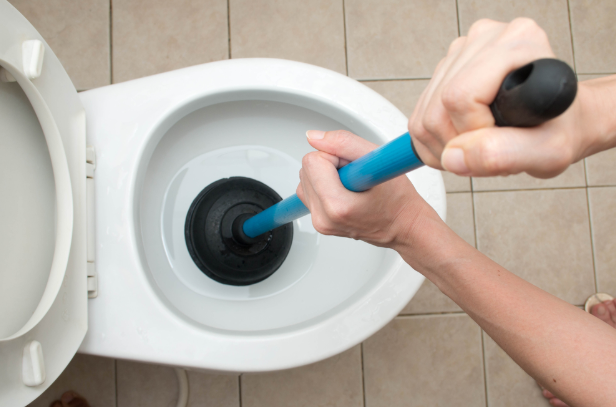
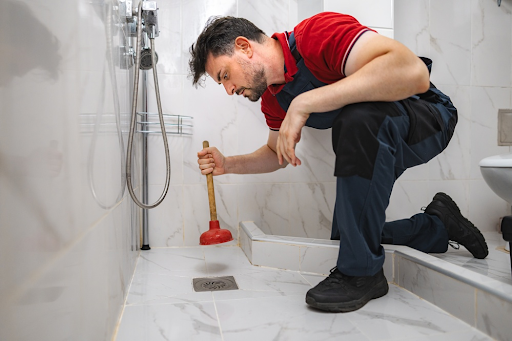
There’s a place for DIY tools like drain plungers and basic drain snakes. They work well for minor, accessible clogs. But deeper blockages, especially in lateral drains or main lines, require professional equipment.
We’ve seen plenty of cases where DIY attempts push the blockage further down, making it harder to reach. In some situations, improper use of tools can even damage the pipe.
Use DIY tools for minor issues only. If the problem doesn’t clear quickly or keeps returning, bring in proper equipment or call in expert help. Professional drainage teams use high-pressure jetting and inspection cameras to locate and clear blockages properly, without guesswork.
Hair is a major culprit, especially in bathroom drains, but it’s rarely acting alone. Soap scum, mineral buildup, grease, food waste, and even foreign objects all contribute to blockages.
This matters because the solution depends on what’s actually causing the issue. Treating every clog like it’s just hair can lead to ineffective fixes.
That’s why proper diagnosis is key. In many of our jobs, we find mixed blockages that require a combination of methods to fully clear.
Think in terms of buildup, not single causes. Use tools that remove everything, not just hair. For recurring clogs, a full pipe clean is often the only way to reset things.
Not all plumbing systems are the same. What works in one home can cause damage in another.
Older pipes, particularly metal ones, are more vulnerable to corrosion from chemical cleaners. Even modern systems can be affected by repeated exposure.
It’s easy to assume a product is safe because it’s sold in stores, but that doesn’t mean it’s right for your setup.
If you don’t know your pipe condition, don’t risk it with harsh chemicals. Stick to safer methods or get a quick professional assessment by experts near you. Trust us, it’s faster than dealing with a leak later.
Clearing a blockage doesn’t always mean solving the underlying issue. If the cause isn’t addressed, the clog will come back.
We see this a lot with recurring drain problems. The blockage gets removed, but the buildup remains, or the pipe design itself is contributing to the issue.
In these cases, a more thorough cleaning or even a system upgrade might be needed to prevent repeat problems.
Go beyond the immediate clog. A proper cleaning removes residue along the pipe walls, not just the blockage. In some cases, a camera inspection helps identify recurring issues before they escalate.
So if bleach doesn’t dissolve hair, what does work?
Physical removal is the most reliable method. Tools designed to pull out hair, combined with proper flushing, can handle most household clogs.
For more stubborn or deeper issues, professional solutions like high-pressure water jetting are far more effective. These methods don’t rely on chemicals and actually clean the pipe walls, reducing the chance of future blockages.
This is where we come in. We deal with these problems daily, often in emergency situations where quick, effective action matters. Instead of guessing, we identify the cause, clear the blockage properly, and make sure it doesn’t come back a week later.
The idea that bleach dissolves hair is one of those myths that sounds convincing but doesn’t hold up in real-world plumbing. Relying on it can waste time and even cause damage.
Drain issues are usually simple when caught early and handled correctly. They become complicated when quick fixes and myths take over.
If you’re dealing with a stubborn drain or want to avoid bigger problems down the line, don’t rely on myths.
Still blocked after trying this?
If the water is not moving, the blockage is beyond what DIY reaches. Our drainage engineers clear it with rods, jetting or a camera survey, at any hour.
Blocked drain in London or the South East?
FS Group clears, surveys and repairs drains across London, Essex, Kent and Hertfordshire, 24 hours a day. Call and speak to the team now.



.png)
.png)




















.jpeg)



.jpeg)
.png)
.png)
.png)
.png)