Key takeaways
Sump pump maintenance is the difference between a dry basement and an emergency call at the worst possible time. Most sump pump failures do not happen during routine weather. They happen during heavy rainfall, power outages, or sudden groundwater surges, exactly when the system is under pressure.
If you only think about your sump pump when it alarms or stops working, you are already late. Proper maintenance is simple, but skipping it is expensive.
This guide explains how professionals think about sump pump maintenance, what homeowners should check regularly, and when the system needs expert attention.
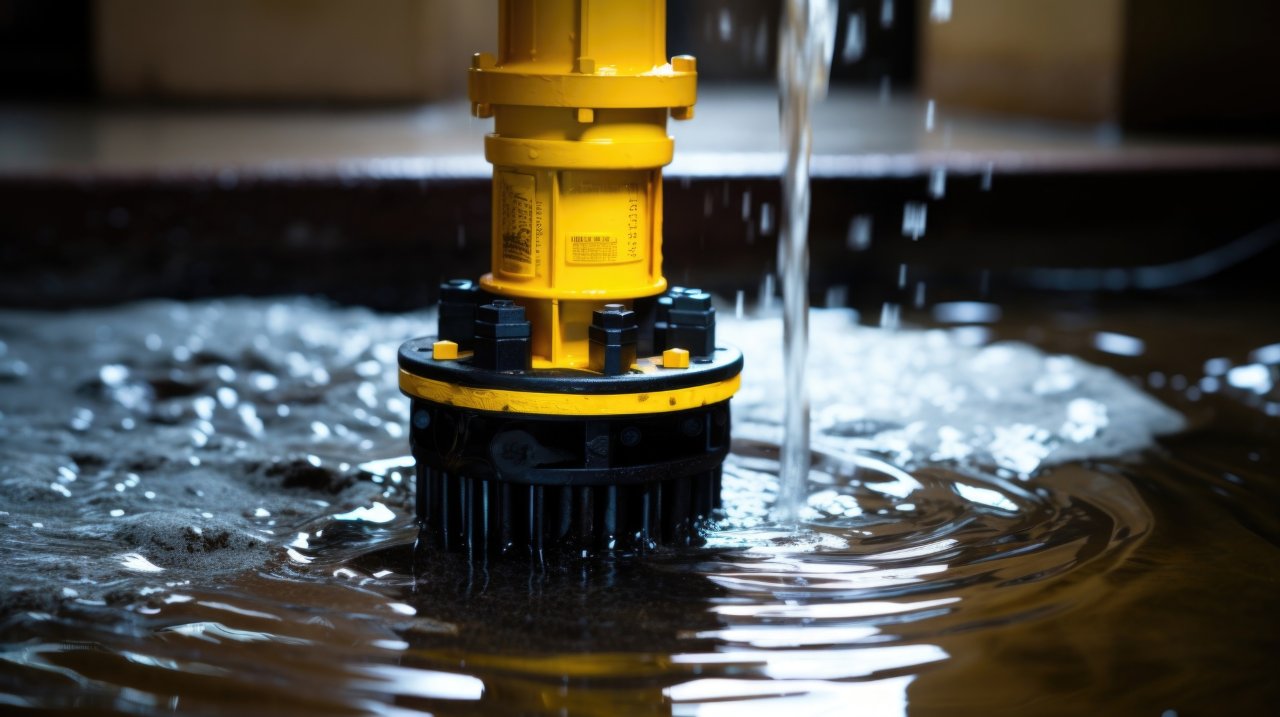
A sump pump manages groundwater around your foundation. When water levels rise, it activates automatically and redirects water away from the property. When it fails, water follows gravity, which usually means into your basement or crawl space.
According to guidance from the Federal Emergency Management Agency, sump pump failure is a leading contributor to residential basement flooding, particularly during storms where drainage systems are already overloaded.
That context matters. Sump pumps do not fail quietly. They fail with water.
Most sump pumps sit out of sight. They run silently and only activate when conditions change. This creates a false sense of security. Homeowners assume no noise means no problem.
In reality, pumps fail due to debris buildup, stuck floats, worn impellers, failed check valves, and power supply issues. None of these announce themselves until the pump is needed.
Regular sump pump maintenance is about removing unknowns before they turn into damage.
Start by inspecting the sump pit itself. The pit should be free of dirt, stones, and debris that could interfere with the pump or float switch. Debris is one of the most common reasons pumps fail to activate.
Next, test the pump operation. Slowly pour water into the pit until the pump activates. Watch the cycle from start to finish. The pump should turn on, remove the water efficiently, and shut off cleanly. Hesitation, grinding noises, or failure to shut off are warning signs.
Check the float switch movement. It must move freely without catching on the pit wall or discharge pipe. A stuck float is a silent failure that only shows up during flooding.
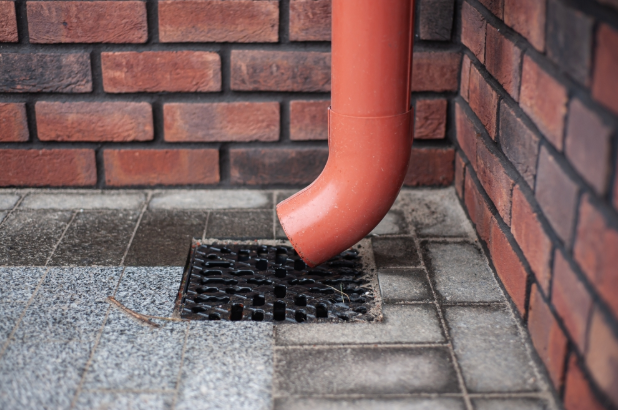
Inspect the discharge line. Make sure it is firmly connected, slopes away from the property, and is not blocked or frozen. In colder months, frozen discharge lines are a common cause of pump burnout.
Confirm the check valve is working. This valve prevents discharged water from flowing back into the pit. A failed valve causes frequent cycling, which shortens pump lifespan and increases failure risk.
Finally, review the power source. Ensure the pump is plugged directly into a functional outlet. If you rely on a battery backup system, test it. Backup batteries degrade over time and should never be assumed to work without testing.
This entire sump pump maintenance routine takes less than thirty minutes. Skipping it can cost thousands.

At a minimum, sump pump maintenance should be performed twice a year, typically before the wettest seasons. Homes in high water table areas or properties that rely heavily on their pump should check more frequently.
After any major storm, a quick inspection is smart. Pumps that ran continuously during heavy rain experience more wear and are more likely to fail soon after.
The American Society of Home Inspectors recommends routine testing and inspection as part of standard home maintenance due to the high damage potential of pump failure.
If your pump runs constantly, struggles to keep up, makes unusual noises, or triggers alarms, maintenance alone may not be enough.
Repeated cycling often points to discharge issues or check valve failure. Pumps that fail to activate consistently may have electrical or float switch problems. Water that returns to the pit after discharge suggests drainage system resistance further down the line.
At FS Group, sump pump callouts frequently uncover broader drainage problems, including blocked discharge lines or overwhelmed storm connections. In those cases, focusing only on the pump misses the real issue.
Many sump pump failures happen during power outages. If your area is prone to storms, a battery backup or secondary pump is not optional.
Battery systems require maintenance too. Connections corrode, batteries lose capacity, and alarms are ignored. A backup that has never been tested is not a backup.
Official institute research constantly stresses the importance of backup systems for flood prevention in residential properties, especially in flood-prone zones.
If your sump pump fails testing, shows signs of wear, or if water levels rise faster than the pump can handle, professional help is the right move.
More importantly, if sump pump issues keep returning despite maintenance, the problem may be outside the pit entirely. Drainage systems, soil saturation, and discharge routing all play a role.
FS Group handles emergency drainage issues daily, including sump pump failures that turn into flooding events. Early assessment keeps small problems from becoming structural damage.
Sump pump maintenance is simple, but it is not optional. A working pump protects your foundation, finishes, and indoor air quality. A neglected one puts all of that at risk.
If you treat maintenance as routine instead of reactive, you avoid emergencies. And if something does not look right during testing, getting professional eyes on it early is always the safer call.
Still blocked after trying this?
If the water is not moving, the blockage is beyond what DIY reaches. Our drainage engineers clear it with rods, jetting or a camera survey, at any hour.
Blocked drain in London or the South East?
FS Group clears, surveys and repairs drains across London, Essex, Kent and Hertfordshire, 24 hours a day. Call and speak to the team now.




.png)
.png)































.jpeg)



.jpeg)



.png)
.png)
.png)
.png)