Drain pipe replacement is one of those topics most property owners ignore until water shows up where it absolutely shouldn’t. By the time people start Googling it, there’s usually a smell, a stain, or a full-blown backup involved. The problem is that bad advice spreads fast, and rushed decisions can turn a manageable repair into a costly mess.
This article cuts through the noise. No scare tactics. No vague “just replace everything” nonsense. Just what professionals actually look for, how decisions are made on real sites, and when drain pipe replacement is unavoidable versus when it’s being oversold.
Modern drainage systems are not immortal. Materials age, ground shifts, usage changes, and small issues compound quietly. Older properties often have cast iron, clay, or early PVC pipes that were never designed for decades of chemical cleaners, grease buildup, or heavier usage patterns.
According to the U.S. Environmental Protection Agency, ageing pipe infrastructure is one of the most common causes of wastewater failures in both residential and commercial buildings. That aligns with what we see on real jobs. Most drain pipe replacement work is not triggered by dramatic collapses, but by long-term degradation that finally crosses the line.
Cracks widen, joints separate, corrosion thins walls, and roots do what roots always do. By the time slow drains turn into recurring blockages, the pipe is often beyond saving.
The key point professionals focus on is not whether a pipe is old, but whether it can still reliably do its job.
There’s a myth that contractors always push drain pipe replacement because it’s the bigger job. In reality, unnecessary replacement creates liability, callbacks, and unhappy clients. Experienced teams prefer targeted repairs when they make sense.
Drain pipe replacement becomes the right call when structural integrity is compromised. That includes crushed sections, repeated failures in the same run, heavy corrosion, or widespread root intrusion that cleaning alone cannot solve. Spot repairs stop working when the surrounding pipe is already failing.
Camera inspections play a huge role here. Seeing the inside of the pipe removes guesswork. It shows sagging sections, offset joints, and internal corrosion that no surface symptom can explain. This is why professional assessments matter. Without visual confirmation, decisions are based on assumptions.
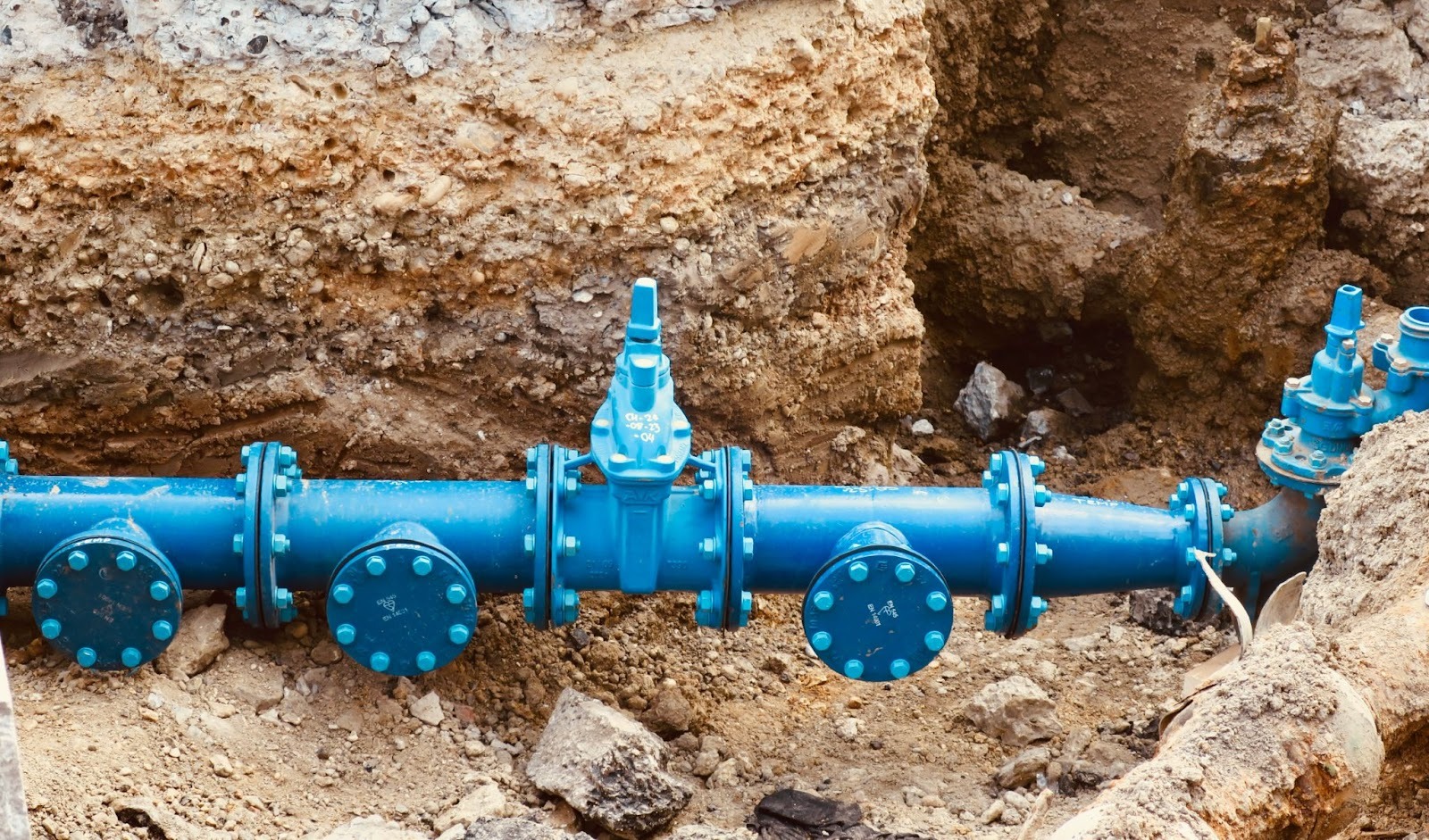
One of the biggest misunderstandings is thinking drain pipe replacement is a single, standardised process. It isn’t. The approach depends on access, pipe material, location, and risk tolerance.
In some cases, traditional excavation is unavoidable. Slab foundations, deep lines, or collapsed pipes may leave no alternative. In others, trenchless methods allow sections to be replaced or relined with minimal disruption. Each option has trade-offs related to cost, lifespan, and future access.
From a professional standpoint, planning matters as much as execution. Drain pipe replacement affects other systems, surfaces, and sometimes occupied spaces. Sequencing work correctly avoids secondary damage and keeps downtime under control.
This is where experienced emergency response teams bring real value. Coordinating plumbing, drainage, and restoration work under pressure is not something every contractor handles well.
Professionals rarely rely on one symptom. It’s the pattern that matters.
Repeated blockages in the same area are a red flag. So are unexplained odours, slow drainage across multiple fixtures, and water damage with no clear source. Foundation moisture and sinkholes near underground lines are more serious indicators that demand immediate attention.
The CDC has published guidance noting that wastewater exposure poses health risks when drainage systems fail. That’s why ignoring early signs is not just a convenience issue. It becomes a safety issue.
When we’re called out, it’s often because smaller warnings were dismissed for too long. At that point, drain pipe replacement is no longer optional. It’s damage control.
Delaying drain pipe replacement rarely saves money. What it does is increase the scope of damage. Water finds paths you cannot predict, especially in commercial or multi-unit properties.
Pros look at timing strategically. Replacing a failing section early allows work to stay contained. Waiting until a pipe collapses often means emergency access, after-hours labour, and collateral repairs to floors, walls, or landscaping.
For maintenance companies and facility managers, this is where proactive response pays off. Acting before failure keeps budgets predictable and avoids service interruptions that cost far more than the pipe itself.
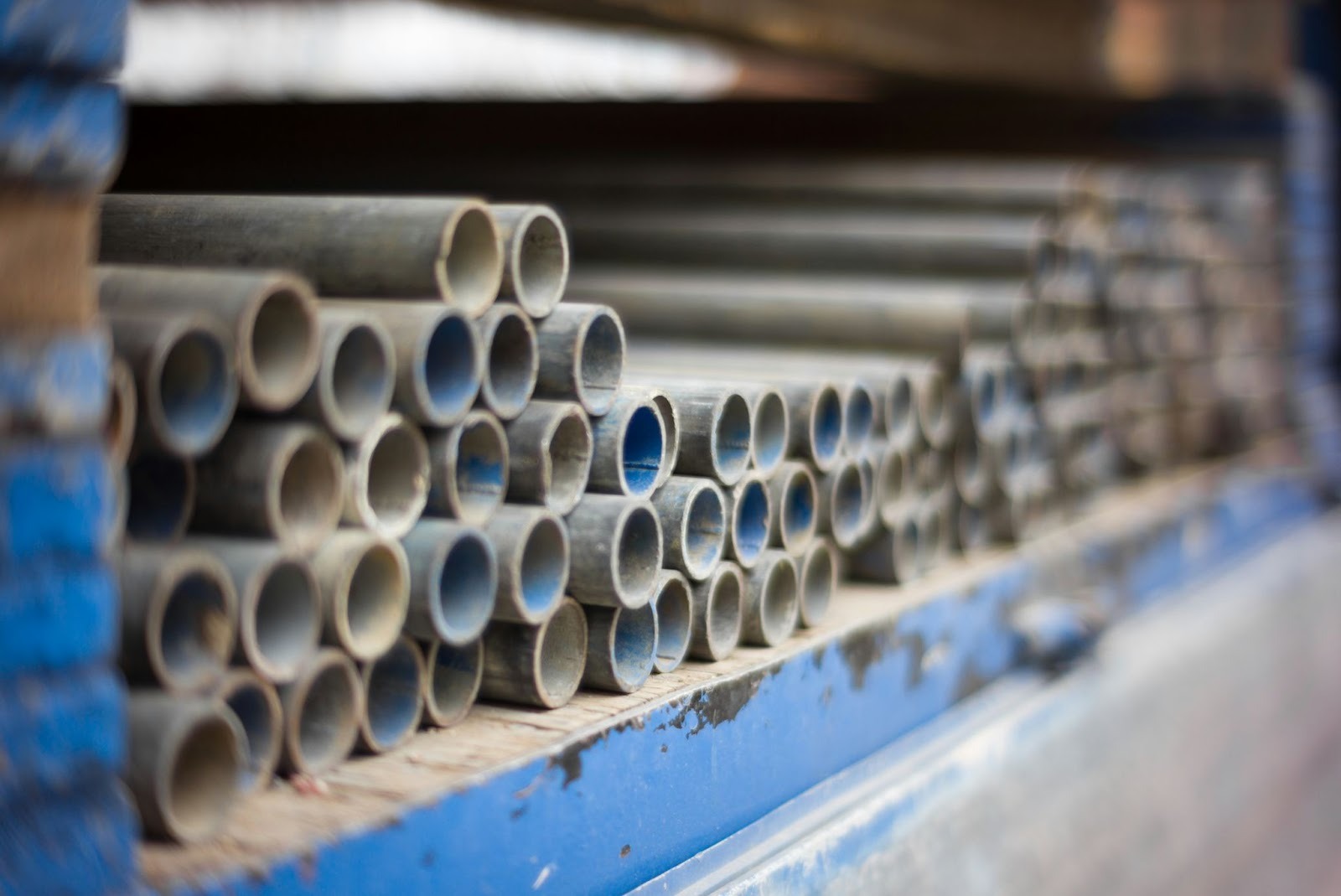
Drain pipe replacement under emergency conditions is very different from scheduled work. Water does not wait for convenient hours, and neither do clients.
Teams that specialise in emergency response understand containment, temporary flow management, and rapid decision-making. They know when to isolate, when to bypass, and when to escalate to full replacement immediately.
That experience matters. Especially when drainage issues intersect with HVAC, plumbing, or structural elements. Coordination reduces risk, and risk reduction is the real value clients pay for.
Our work sits exactly in that space. Most calls come when something has already gone wrong. The goal is to stabilise fast, then fix correctly. Do not rush into unnecessary replacement, but also do not gamble with half-measures.
One common myth is that new pipes mean zero future issues. No system is maintenance-free. Replacement resets the clock, but usage and environment still matter.
Another is that all replacements require tearing everything up. As mentioned earlier, that depends on conditions. A professional assessment should explain options clearly, not default to extremes.
There’s also the belief that chemical cleaners can prevent replacement. In reality, overuse accelerates pipe damage. Harsh drain chemicals corrode pipes and shorten system life, so you should always use them cautiously on your pipes.
Professionals welcome informed questions. Ask what material is failing and why. Ask whether camera footage supports the recommendation. Ask what alternatives were considered and why they were ruled out.
Clear answers indicate confidence and competence. Vague explanations should raise concern.
Drain pipe replacement is a serious investment, so it deserves clarity, not pressure. The right plumbing experts will get that.
Drain pipe replacement is not something to fear, but it is something to respect. When handled correctly, it solves long-standing issues and restores reliability. When delayed or mishandled, it becomes far more disruptive than it needed to be.
The smartest property owners and maintenance teams treat drainage as a system, not a symptom. They act early, rely on proper diagnostics, and work with professionals who understand emergency conditions as well as long-term performance.
If you’re seeing warning signs or dealing with repeat drainage failures, now is the moment to act. Schedule a consultation now and let our professionals save you some headaches.