Most home repairs do not announce themselves as emergencies. They start small: a door that sticks slightly, a tile that has come loose, a dripping tap. The problem is that small repairs left unaddressed tend to become larger ones, and larger ones tend to become expensive ones.
This guide covers ten of the most common home repairs that people put off, why each one gets worse with time, and what the right response looks like.
Every repair on this list follows the same pattern: straightforward to fix when first noticed, significantly more disruptive and expensive once left. Work through them in any order, but do not leave any of them until the next season.
A dripping tap wastes more water than most people expect. A tap dripping once per second loses around 5,500 litres of water per year, enough to fill a small swimming pool. On a metered supply that is a measurable addition to the annual water bill.
More practically, persistent dripping accelerates wear on washers and cartridges, and a tap that drips slowly often runs freely once the internal components fail.
A washer replacement is a handyman job that takes under an hour. Left long enough, the same fault escalates to a cartridge or tap body replacement, which costs more and takes longer.
A toilet that runs continuously after flushing, or that refills intermittently without being used, is wasting water through a faulty flapper valve or fill valve. Like a dripping tap, the cost is visible on a metered bill but easy to overlook without one.
The more significant risk is toilet overflow. A fill valve that fails to shut off correctly can allow the cistern to overfill and discharge through the overflow pipe. In properties where the overflow pipe runs internally rather than through an external wall, that means water discharging into the building structure.
A flapper or fill valve replacement is a minor repair. The Consumer Council for Water estimates that a leaking toilet can waste between 215 and 400 litres of water per day. Getting it fixed promptly is both a cost and a structural protection measure.
Doors stick for two reasons: timber swelling seasonally, or the frame or hinges shifting. Seasonal swelling usually resolves itself. Hinge movement and frame shift do not.
A door that sticks because a hinge has dropped or a frame has moved will continue to worsen. Left long enough, it causes damage to the frame edge and latch plate, and in some cases prevents the door from closing or latching at all. A door that cannot latch properly is also a security issue.
Planing a sticking door or adjusting dropped hinges is straightforward handyman work. Replacing a damaged frame is not.
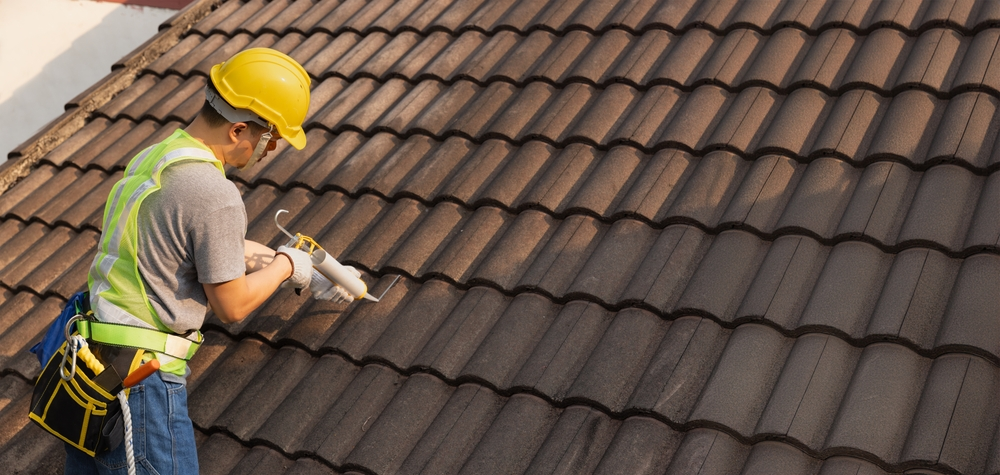
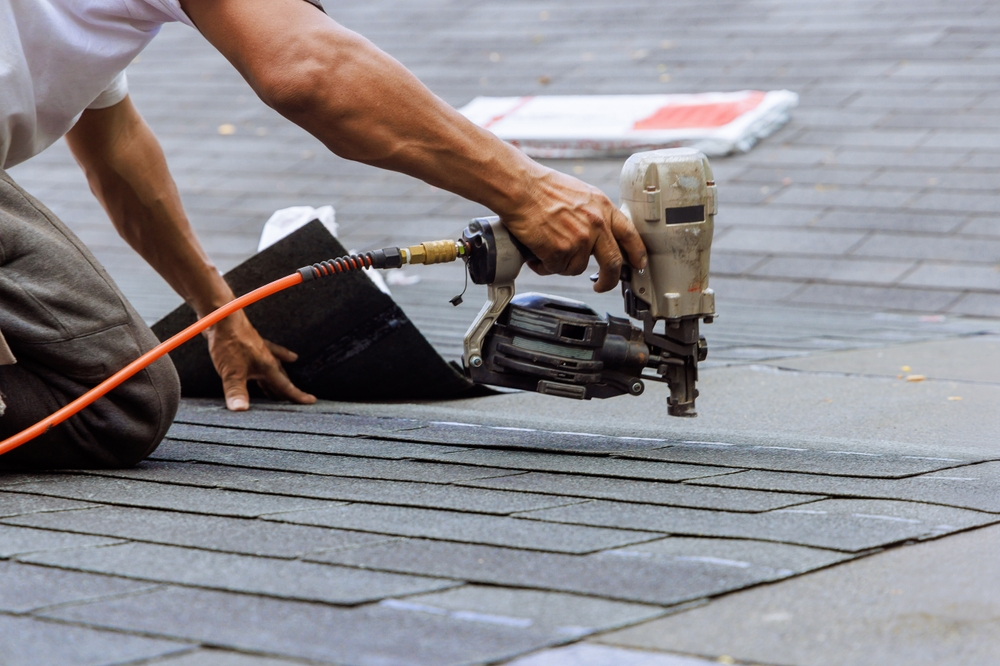
The principle is the same whether it is a floor tile, a wall tile, or a roof tile: a gap or crack creates a path for moisture, and moisture behind or beneath a tile surface causes damage that spreads well beyond the original fault.
A cracked floor tile is a slip risk that worsens under foot traffic. A loose wall tile in a bathroom or kitchen lets water behind the tile bed, loosening adjacent tiles and in time reaching the substrate. A missing roof tile lets wind-driven rain enter the roof structure, where it can track along a rafter and appear as a ceiling stain several metres away.
In all three cases, the repair is minor when caught early. What makes it worth acting on promptly is the secondary damage: a damp substrate requiring a full reline, saturated roof timbers, or a ceiling that has been taking water for weeks before it shows. If a roof is already leaking, the response is different from a simple tile repair.
A drain that is running slowly has a partial blockage. Ignoring it until it stops draining entirely means the blockage is larger, harder to clear, and more likely to have caused a backup.
In a bathroom, the most common cause is hair and soap build-up in the trap. In a kitchen, it is grease and food debris accumulating at the trap or further into the waste pipe. Both are straightforward to clear early. Both become significantly more disruptive once the drain has stopped completely and water is backing up.
For drains that keep blocking after clearing, or where clearing the trap does not resolve the problem, the blockage is likely further into the pipe and needs a different approach before calling a drainage engineer.
A damp patch that appears after rainfall and dries out is likely penetrating damp from a failing external element: a roof, a gutter, flashing, or pointing. A damp patch that is always present is more likely rising damp or a plumbing leak behind the wall.
Neither resolves itself. Damp that is left in a wall or ceiling creates conditions for mould growth within 24 to 48 hours on organic materials. Mould in plasterwork can be treated. Mould in structural timber is a more serious problem, and mould that has established itself in insulation often requires the insulation to be removed and replaced rather than cleaned.
If the damp patch is on a ceiling and appeared after rain, the roof or guttering is the likely source. A blocked gutter causing overflow at the eaves is one of the most common causes of ceiling damp in UK properties and is preventable with routine clearance.
Maintenance obligations around gutters and downpipes fall to the property owner in most cases, not the occupier.
A floorboard that creaks or moves underfoot is not just a noise issue. Movement means the board is no longer properly fixed, which puts stress on the surrounding boards every time it flexes. Left long enough, the edges of adjacent boards begin to lift, gaps open up, and what started as one loose board becomes several.
More significantly, a gap in a floorboard is a direct route for cold air, moisture, and in older properties, pests. In bathrooms or kitchens where water is used regularly, a gap around a loose board allows moisture into the sub-floor, where it can cause rot in the joists below.
Refixing a loose floorboard or replacing a damaged one is straightforward handyman work. The same job becomes considerably more disruptive once the sub-floor or joists beneath have been affected.
Mould on a window reveal or around a shower enclosure is a sign of a condensation or ventilation problem. In most cases, the mould itself can be treated with appropriate products. The underlying cause (inadequate ventilation, a failed window seal, cold bridging) needs to be addressed, or the mould will return within weeks.
Mould that has established itself in grout, silicone seals, or behind wall panelling is harder to treat and may require the seals or affected materials to be replaced. Silicone that has mould growing through it rather than on its surface cannot be cleaned back to a hygienic state. It needs removing and replacing.
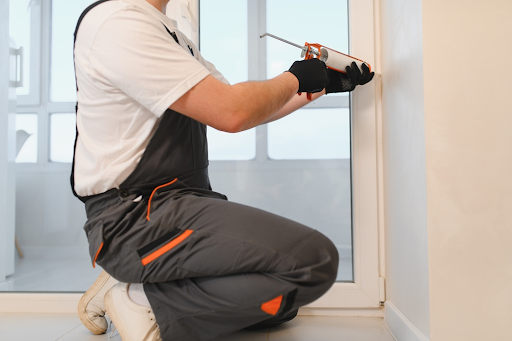
A fresh bead of silicone around a bath or shower, and a functioning extractor fan in a bathroom, prevent most of the conditions that lead to persistent mould in these areas.
Gutters blocked with leaves and debris cause water to overflow at the eaves. That overflow runs down the external wall, saturates the fascia, and can enter the roof structure at the eaves line. Over time, it causes rot in fascia boards, soffit damage, and damp in the top of the wall cavity.
A gutter that is pulling away from the fascia has either a failed bracket or a rotting fascia board behind it. The gutter itself may be fine. The fascia board it is fixed to may not be, and a fascia that has rotted through cannot hold a gutter bracket securely regardless of how many times the bracket is refixed.
Annual gutter clearance is one of the lowest-cost maintenance tasks on any property and prevents a disproportionate amount of the water ingress that leads to more serious repairs.
Flickering lights on a specific circuit, a socket that feels warm to the touch, or a circuit breaker that trips repeatedly are all signs of an electrical fault that needs investigation.
None of these are problems to monitor. A socket that runs warm has a loose connection or a component under stress. A circuit that trips repeatedly has a fault that the breaker is responding to. Leaving either unaddressed does not make the underlying condition stable. It allows it to develop until a component fails, which in an electrical installation can mean a fire risk rather than just an inconvenience.
Any of these symptoms warrant a call to a qualified electrician, not a reset and a wait.
Most of the repairs on this list get ignored because they do not feel urgent yet: a tap that drips occasionally, a door that needs a firm push, a tile with a hairline crack. The problem is that none of them stay that way.
The difference between a property that stays in good condition and one that accumulates a backlog of repairs is usually timing, not complexity.
A door adjusted when it first starts sticking takes twenty minutes. The same door left until the frame is damaged takes considerably longer and costs more. That pattern repeats across every repair on this list.
For landlords and property managers, the most practical approach is a light-touch annual check: run through the list, book a handyman visit to clear whatever has come up, and address anything that needs a specialist trade before it develops further.
We work with landlords, property managers, and commercial operators across London and the South East who need more than one trade covered without sourcing a different contractor for each job. If you are working through a list like this, get in touch or call us on 0800 689 3497.
What home repairs should you not ignore?
The ten most common ones that escalate when left: dripping taps, running toilets, sticking doors, cracked or loose tiles, slow-draining drains, damp patches, missing roof tiles, mould around windows or in bathrooms, overflowing or detached gutters, and electrical symptoms such as flickering lights or warm sockets.
How do I know if a home repair is urgent?
A repair is urgent when leaving it creates a safety risk (electrical faults, structural damp, missing roof tiles) or accelerates damage to other parts of the property (overflowing gutters, damp, loose tiles). Most of the repairs on this list are not emergencies when first noticed but become significantly more expensive if left for a full season.
Can a handyman fix most of these?
Several of them, yes: door adjustments, loose or cracked tile replacement, minor drain clearing, silicone replacement, gutter clearance, and basic maintenance tasks across the list. Electrical faults, significant damp, and roof work above ground level require specialist trades.
How often should home repairs be carried out?
A practical annual maintenance check covers most of the issues on this list before they develop. Gutters should be cleared at least once a year, ideally in late autumn. Grout and silicone seals should be inspected every year or two. Roofs should be checked visually after any significant storm.
What happens if you ignore home repairs?
Small defects become larger ones. A dripping tap becomes a failed cartridge. A slow drain becomes a blocked one. A missing tile becomes a wet ceiling. A loose tile becomes a damp substrate requiring a full reline. The pattern across all ten repairs on this list is the same: the cost of the repair increases the longer it is left, and in several cases secondary damage adds repair costs that did not exist when the original fault was first noticed.