Guttering and downpipes are easy to ignore until something goes wrong. Water starts overflowing, a neighbour complains, or worse, you get damage to your own property. What many property owners do not realise is that the guttering downpipe law in the UK is not just about maintenance. It carries real legal responsibility.
This guide breaks down what you actually need to know.
If you own the property, you are responsible. It is that simple.
Under UK property law, homeowners are expected to maintain their drainage systems, including gutters and downpipes, so that rainwater is properly managed and does not cause damage or nuisance to others.
This includes making sure your system:
If you are renting, the responsibility usually sits with the landlord, unless your tenancy agreement says otherwise.
No, and this is one of the most common issues.
UK law is clear that you cannot allow water from your property to flow onto neighbouring land in a way that causes damage or nuisance. This falls under the legal concept of nuisance and, in some cases, trespass.
For example, if your downpipe is broken or incorrectly positioned and water spills onto your neighbour’s wall or garden, you could be held liable.
According to guidance by GOV.UK, property owners must ensure that rainwater is disposed of within their own boundary or into an approved drainage system.
In real terms, this is where many disputes start. A small leak or overflow can turn into a formal complaint quickly.
In most UK properties, downpipes should discharge into one of the following:
Discharging directly onto the ground is only acceptable if it does not cause water pooling, flooding, or runoff issues.
Building Regulations Part H (Drainage and Waste Disposal) sets out the requirements for rainwater drainage systems. These regulations make it clear that water must be directed safely away from the building and into an appropriate drainage point.
If your system does not meet these standards, you could be required to fix it.
If your guttering or downpipe system causes damage to another property, you may be legally responsible for repairs.
This can include damp or water ingress into neighbouring buildings, damage to foundations or external walls, or flooding of gardens or shared areas.
In these situations, liability often comes down to whether you failed to maintain your system properly.
If a gutter was clearly blocked, broken, or neglected, the responsibility is likely to fall on you.
This is why regular inspection matters more than most people think. Many emergency callouts we see could have been avoided with basic maintenance.
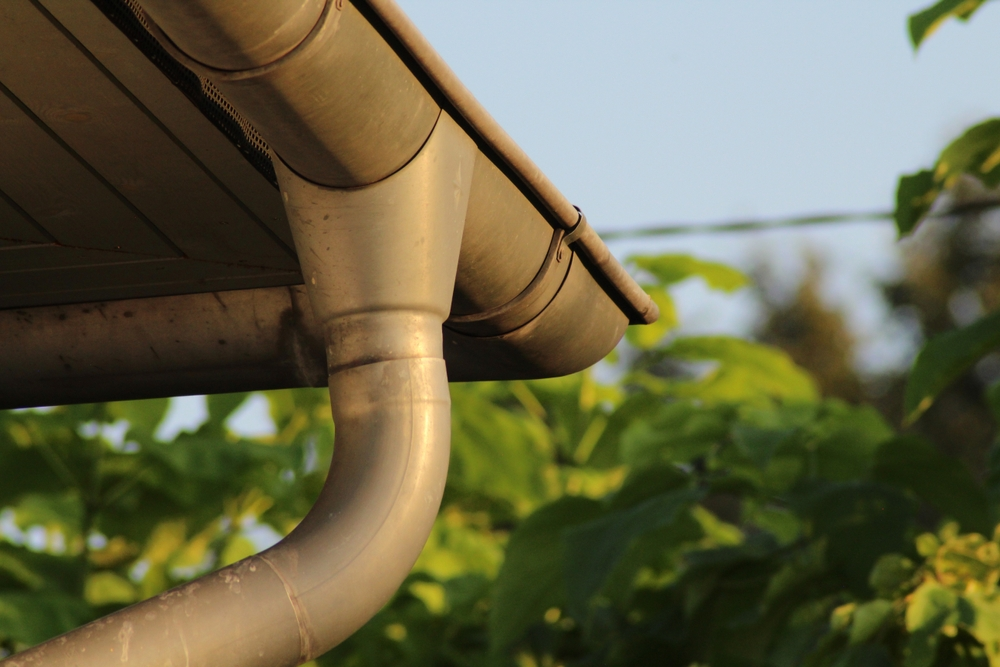
In most cases, no planning permission is required to repair or replace guttering.
However, there are exceptions.
If your property is listed or located in a conservation area, changes to external features like guttering and downpipes may require approval.
If you are altering how water is discharged, especially connecting to public drainage, you may also need permission from your local authority or water company.
The safest approach is to check before making changes that affect drainage flow.
Things get more complicated with shared systems.
In terraced or semi-detached properties, downpipes are sometimes shared between properties. In these cases, responsibility can be joint.
If a shared downpipe becomes blocked or damaged, both parties may be responsible for fixing it.
Disputes often arise when one side assumes the other is handling maintenance. In reality, neither does, and the problem escalates.
Clear communication helps, but in many cases, professional inspection is the fastest way to resolve responsibility.
There is no law that says you must clean your gutters twice a year. But there is a clear expectation that your drainage system is kept in working condition.
If it fails and causes damage, the lack of maintenance becomes your problem legally.
Typical issues we see include:
All of these can lead to water escaping where it should not.
Regular checks, especially before and after heavy rainfall seasons, reduce the risk significantly.
If you are using water butts or rainwater harvesting systems, the same rules apply.
You must ensure that overflow is properly managed and does not create runoff issues.
Poorly installed systems can actually increase the risk of flooding if they are not connected to a proper drainage outlet.
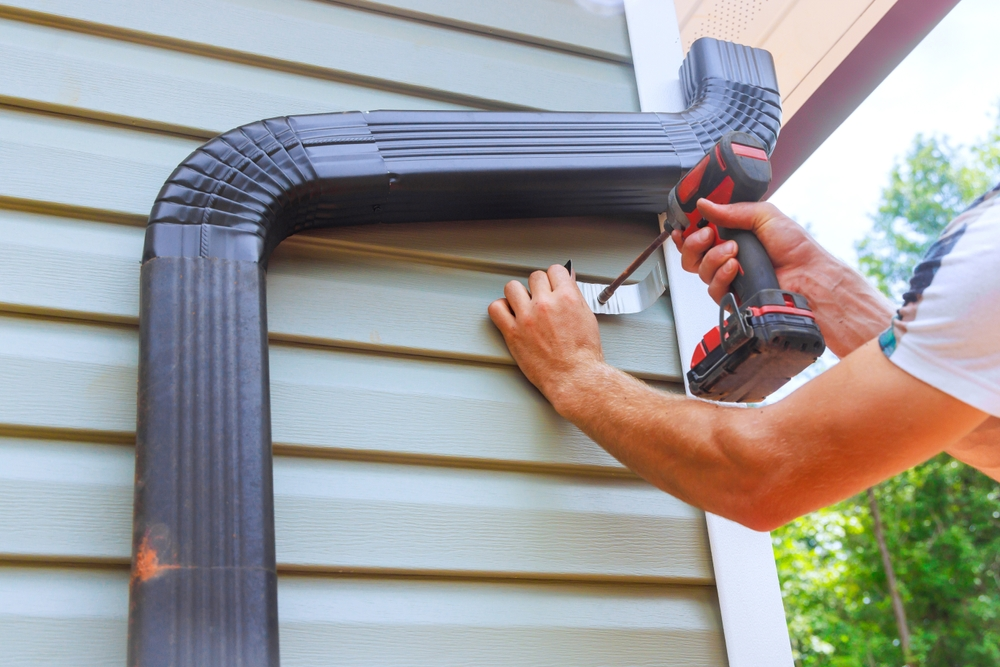
Most people only look into guttering downpipe law after a problem has already started.
At that point, it is no longer just about fixing a pipe. It becomes about liability, cost, and sometimes legal disputes.
From experience, the biggest mistake property owners make is assuming small issues are harmless. A slow leak or occasional overflow might seem minor, but over time it can cause serious structural and legal problems.
The simplest way to stay on the right side of guttering downpipe law in the UK is to treat your drainage system as part of your property’s core infrastructure.
That means:
In practice, this often means getting a professional assessment, especially if you are dealing with recurring drainage problems.
Guttering downpipe law in the UK is not complicated once you understand the basics. You are responsible for managing rainwater on your property and making sure it does not cause problems elsewhere.
Where things get difficult is when systems are neglected or installed incorrectly. That is when legal and financial consequences start to appear.
If your gutters are overflowing, leaking, or causing problems with neighbouring properties, it is better to act now than wait for it to escalate.
We deal with these issues daily, especially in emergency situations where drainage systems have already failed. Whether it is a quick fix or a full system assessment, we can help you get it sorted properly and avoid repeat problems.
Reach out today and get it handled before it turns into something more expensive.