Key takeaways
A collapsed drain repair cost in 2026 typically falls between £1,500 and £6,000 for most residential properties, but that range widens fast depending on pipe location, depth, access, and how long the collapse has been ignored. Some homeowners pay less. Many pay more. The difference is rarely luck. It is diagnosis, timing, and repair method.
If you are searching this because your drains keep backing up, smell foul, or have suddenly stopped working altogether, you are already in the risk zone. A collapsed drain is not a cosmetic problem, and it does not improve on its own. Costs only move in one direction over time.
This guide explains what actually drives the collapsed drain repair cost, what homeowners usually underestimate, and how professionals price these jobs in real life.
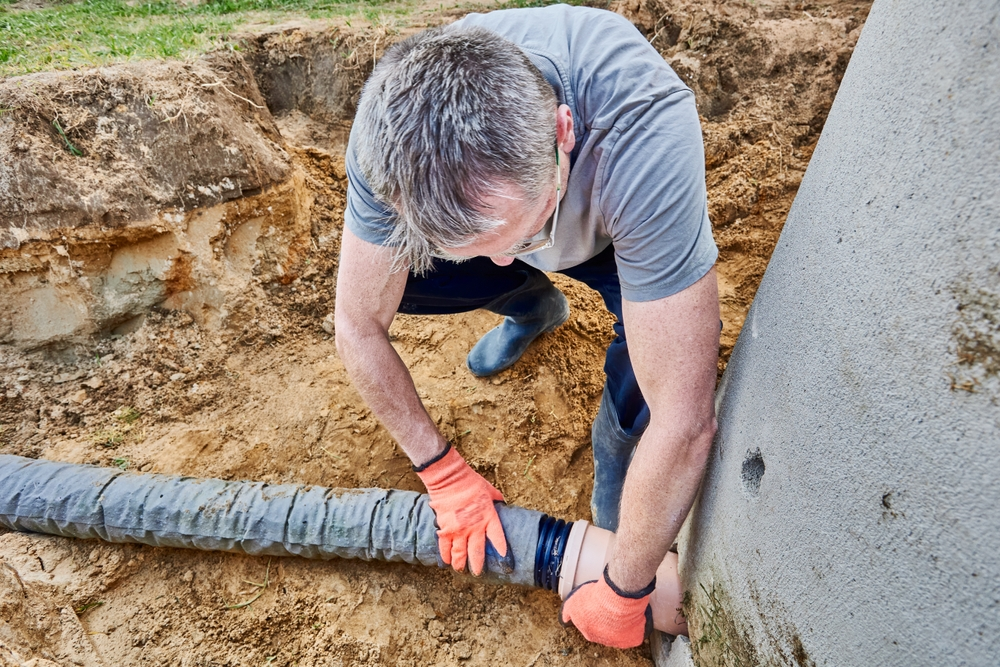
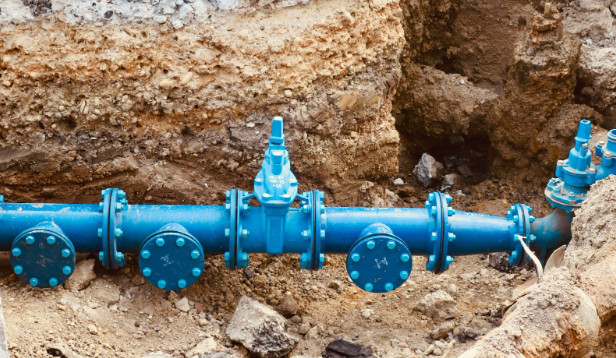
A collapsed drain is not always a pipe crushed into pieces. In practice, it usually means the pipe has lost its structural integrity. That can come from ground movement, heavy traffic above the line, aging clay pipes, poor installation, or long-term root intrusion that finally wins.
Once a pipe collapses, water and waste no longer flow as designed. They either slow down, leak into the surrounding soil, or back up into the property. That soil movement around the pipe then accelerates the damage. This is why early symptoms matter more than most people think.
According to the UK Water Industry Research, aging underground drainage systems are increasingly vulnerable as soil conditions change and infrastructure ages. This trend is expected to continue through 2026.
Homeowners often ask for a number. Professionals ask questions first. The collapsed drain repair cost depends on four main factors that interact with each other.
Industry pricing data show that excavation-based sewer and drain repairs consistently cost more than trenchless alternatives, but trenchless work is only suitable in specific conditions. Choosing the wrong method usually leads to repeated failures.
For minor collapses caught early, costs typically start around £1,500 to £2,500. These are usually short sections with good access and minimal reinstatement.
For moderate collapses requiring excavation and partial replacement, most homeowners should expect £3,000 to £4,500. This is the most common range professionals see once symptoms are clear but before secondary damage spreads.
For severe collapses under structures, deep ground, or with multiple damaged sections, costs regularly exceed £5,000 and can climb higher depending on reinstatement work. Driveways, patios, and internal floors add complexity and cost fast.
The Environment Agency notes that delayed drain failures often result in ground washout and structural risk, which is why insurance involvement becomes more common at higher cost levels.
The biggest underestimation is diagnostic work. A proper CCTV drain survey is not optional for a collapsed drain. It is the only way to confirm the location, length, and severity of the collapse. Guessing costs more later.
The second blind spot is reinstatement. Repairing the pipe is one part of the job. Restoring concrete, paving, turf, or internal finishes often matches or exceeds the pipe repair itself.
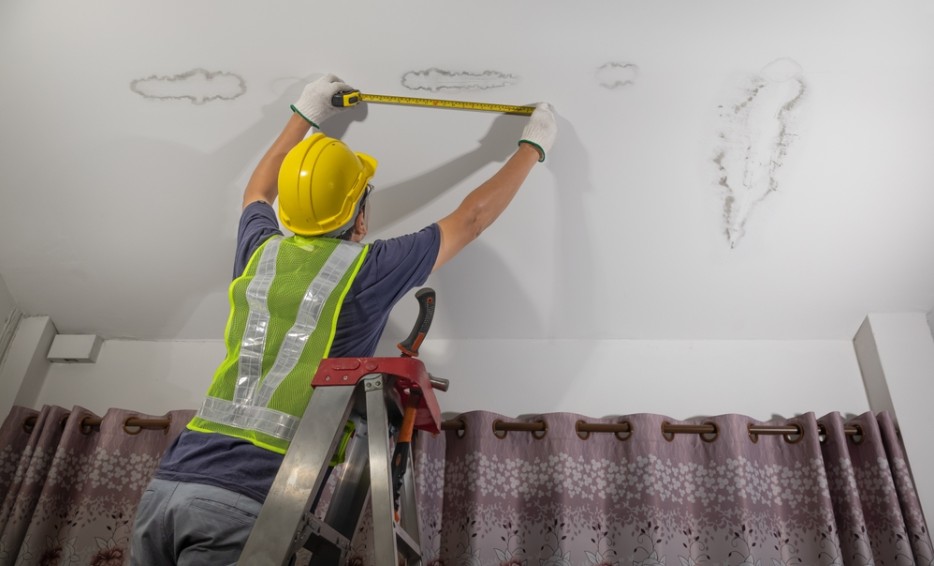
The third issue is secondary damage. Leaking drains can undermine foundations, attract pests, and contaminate surrounding soil. By the time water appears where it should not, the repair scope has already expanded.
This is why professional teams, including ours, push for early inspection and targeted intervention rather than waiting for total failure.
In many cases, collapsed drain repair may be partially covered by building insurance, especially when the damage is sudden and not caused by neglect. Older clay pipes and ground movement are often accepted causes, but insurers require clear evidence.
A professional CCTV survey and written report are usually mandatory for claims. Temporary fixes without documentation often complicate or invalidate coverage later.
Homeowners who involve specialists early tend to have smoother claims and clearer outcomes. Waiting until sewage enters the property rarely improves negotiations.
Online averages are useful for context, not decisions. Every collapsed drain behaves differently underground. Two properties on the same street can face entirely different costs based on depth, soil, and previous repairs.
This is where experienced drainage contractors add real value. Not by selling the biggest job, but by selecting the right one. In our work, the goal is always to stop the failure at the smallest effective point and prevent repeat excavation later.
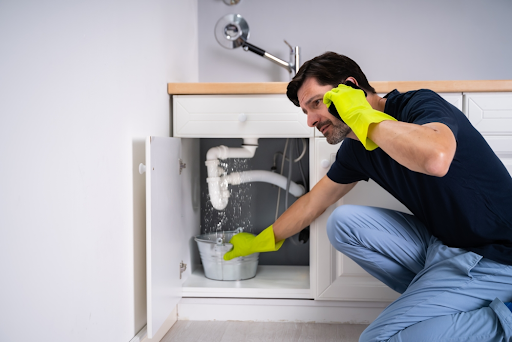
If you are noticing recurring blockages, foul smells, slow drainage across multiple fixtures, or damp patches outside, do not wait for a full collapse. Early CCTV inspection costs a fraction of excavation and often changes the entire repair strategy.
By the time a drain fully collapses, options narrow and costs rise. That pattern has not changed and will not change in 2026.
Collapsed drain repair cost is not fixed, but it is predictable when assessed properly. In 2026, most homeowners who act early and get accurate diagnostics will stay within the lower to mid range. Those who delay usually do not.
If you want certainty, start with visibility. A proper inspection tells you whether you are dealing with a small structural failure or a system on borrowed time. Everything else flows from that decision.
If you suspect a collapsed drain, do not wait for the damage to spread. One clear diagnosis now can save thousands later.
Still blocked after trying this?
If the water is not moving, the blockage is beyond what DIY reaches. Our drainage engineers clear it with rods, jetting or a camera survey, at any hour.
Blocked drain in London or the South East?
FS Group clears, surveys and repairs drains across London, Essex, Kent and Hertfordshire, 24 hours a day. Call and speak to the team now.



.png)
.png)





























.jpeg)



.jpeg)

.png)
.png)
.png)
.png)