Key takeaways
The safe way to fix frozen pipes is to shut off the water at the stopcock, open the nearest tap, and thaw the ice slowly from the tap end with a hot water bottle, towels soaked in hot water, or a hairdryer on its lowest setting. Opening the tap gives the meltwater somewhere to go.
Check the pipe before you turn the water back on, because ice can hide a split that only leaks once it thaws. If you find a crack, a bulge, or water where there should be none, stop heating it and book burst pipe repair. A damaged pipe needs replacing, not more heat.
The method below works for an exposed pipe you can see and reach. If the frozen section is inside a wall or under a floor, skip to the plumber sections further down.
Close the stopcock (also called the stop tap) before you touch the pipe. It is usually under the kitchen sink, though some homes have it in a hallway cupboard, a downstairs cloakroom, or the garage. With the supply off, a hidden split cannot flood the property when the ice melts.
Then open the cold tap nearest to the frozen section. Melting water and the pressure behind it need somewhere to go.
Look for frost on the pipe, a stretch that feels far colder than the pipes around it, or a slight swelling. Start with pipes on outside walls, in the loft, in the garage, and under a kitchen sink that sits against an external wall. Frozen pipes nearly always sit in the coldest, least heated part of the house.
If every tap is dry, ask a neighbour whether they have water. If they do, the freeze is on your side of the meter. If they do not, contact your water company.
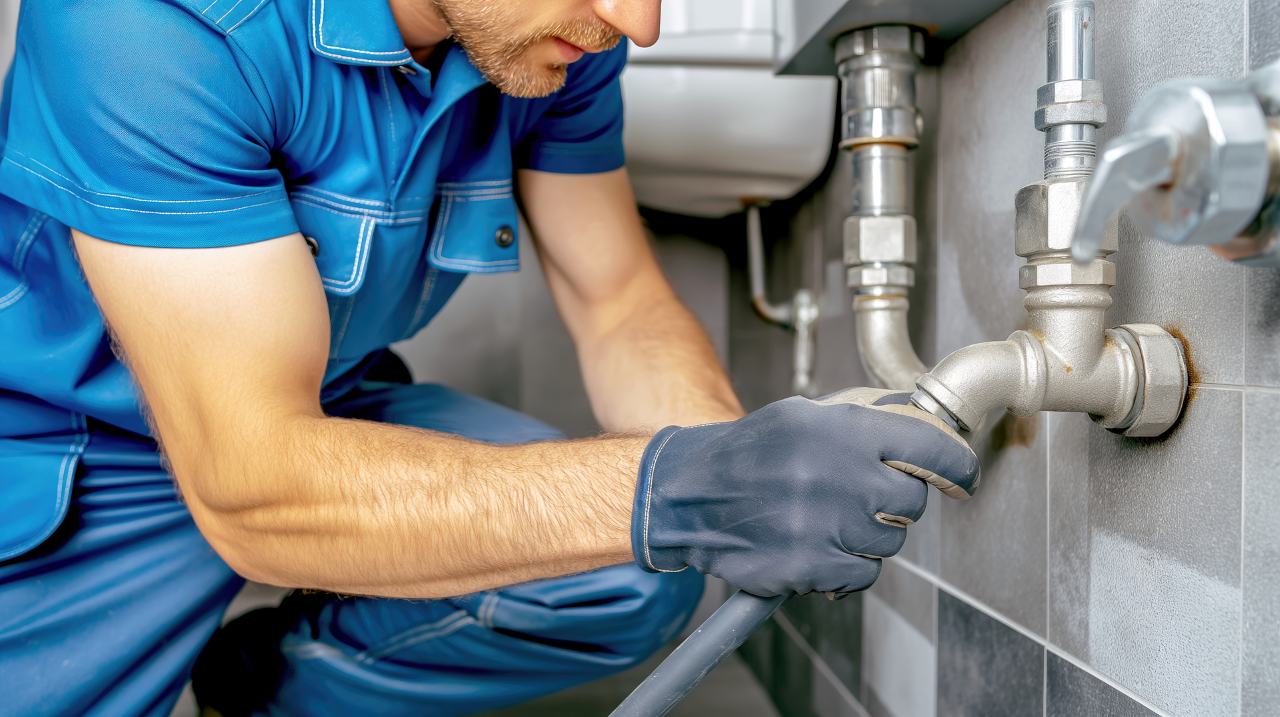
Warm the pipe a little at a time, starting at the tap end and working back towards the ice. Melted water can then escape through the open tap instead of building pressure behind the blockage.
Water UK recommends thawing with hot water bottles or towels soaked in hot water. A hairdryer on its lowest setting also works if you keep it moving and well clear of any wet surface.
Never use a blowtorch, a naked flame, or boiling water. Sudden heat can crack the pipe, loosen a soldered joint, or ignite lagging and floor timbers. Do not switch on the immersion heater or turn up the boiler to force a thaw either.
A pipe can look sound while it is frozen. The split only shows once the ice has melted, which is why this check matters more than the thaw itself.
When water runs from the open tap, leave the stopcock shut a little longer and look along the full length of the pipe you warmed. You are checking for cracks, bulges, wet joints, and stains on the ceiling or wall below. Then open the stopcock slowly and watch the pipe and its fittings for several minutes.
If a damp patch appears and you cannot see the pipe behind it, you will need to find the hidden leak before the damage spreads.
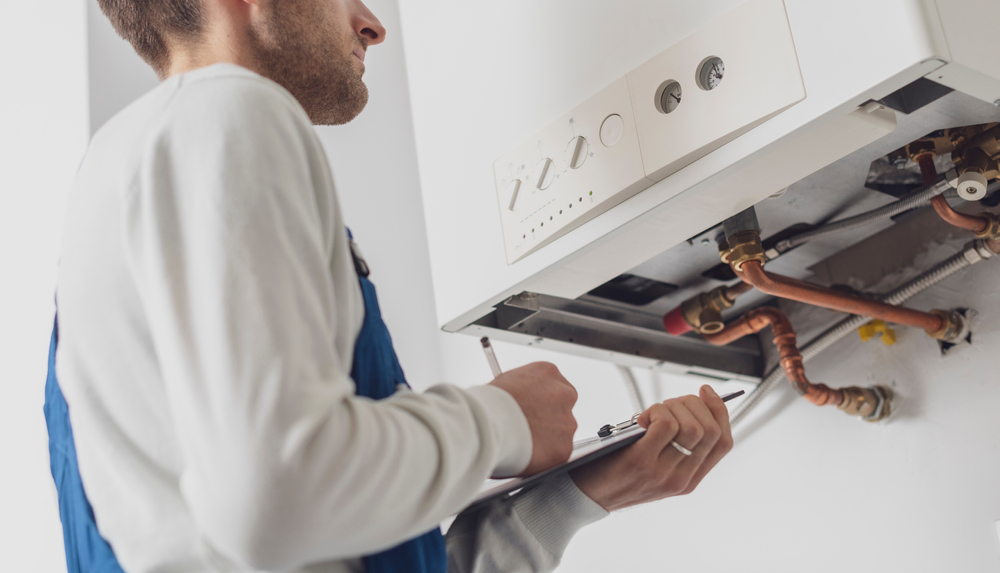
Switch the heating back on once water is flowing normally, then check the boiler. If it locked out during the freeze, the condensate pipe that carries wastewater from the boiler to the drain outside is the usual suspect. Pour warm water, not boiling, over the frozen section of that pipe and reset the boiler.
A frozen condensate pipe is one of the faults behind a boiler that stops working, and the others on that list need an engineer.
If the pipe will not thaw, runs inside a wall or under a floor, or you can see a split, stop here. Heating a pipe you cannot see risks scorching the surface while a leak builds behind it. Our plumbers are on call 24 hours a day across London and the South East.
<Call us>
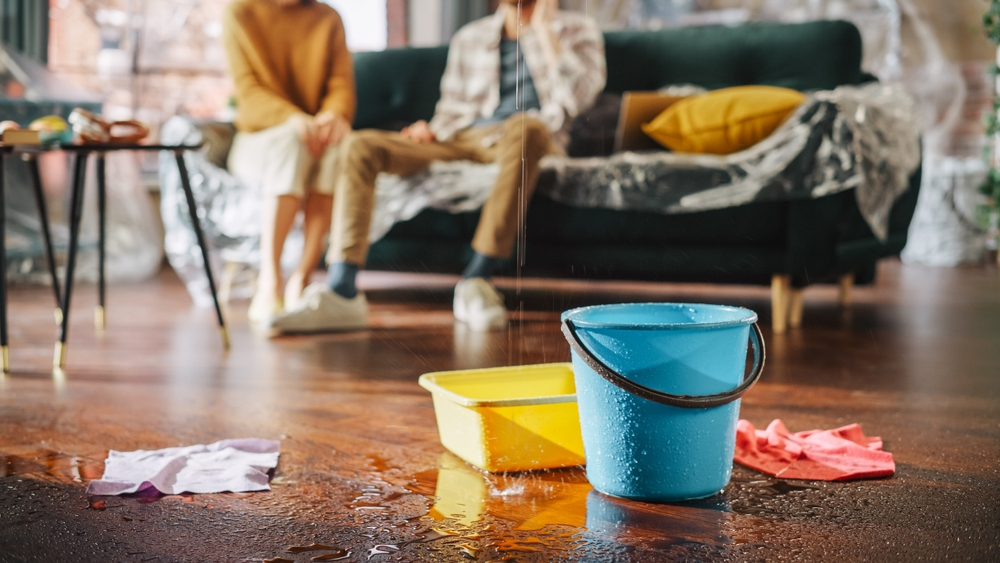
A split pipe starts leaking the moment the ice melts, so the first few minutes decide how much damage you get. Water expands by roughly 10 percent as it freezes, and that pressure forces open the weakest point, usually a joint or a thin stretch of pipe. Work through the table in order, then read the short list of mistakes to avoid.
A plumber isolates the split, cuts out the damaged section, fits new pipe, and pressure-tests the system before the supply comes back on. The same steps apply to any burst pipe, whatever caused it.
Not every freeze ends in a repair, but a split pipe, a joint pushed apart by ice, or a run that freezes every winter all do. The table shows the usual fix for each situation, so you know what to expect when the plumber arrives.
Hidden pipes are where DIY thawing goes wrong. Heat applied to a wall you cannot see can scorch the surface while the ice stays put, and a split behind it leaks quietly for hours. A plumber works out where the freeze sits before cutting into anything.
If water is already running, treat it as emergency plumbing and call straight away.
Prevention costs a few pounds of foam lagging and an afternoon. Pipes freeze when they sit in cold air for long enough, so the aim is to keep them warmer, keep the heating ticking over, and make sure you can shut the water off fast.
Insulate the pipes in the loft, garage, and outbuildings first, then those along outside walls. These sit in sub-zero air for longest, and lagging exposed pipework is the cheapest protection against a freeze.
Push the foam sleeves together with no gaps, and cover bends, valves, and joints. Bare patches freeze first.
If you have a cold water tank in the loft, lag the tank and the pipes feeding it. Insulate the loft floor as normal, but leave the area directly under the tank bare so warmth from the room below reaches it.
Loft insulation keeps heat in your rooms, which also makes the loft itself colder. That is why the pipes up there freeze more easily once the loft has been insulated.
Isolate any outside tap from inside the house, drain it, and fit an insulated cover. A frozen outside tap is an outdoor plumbing problem that can split the pipe behind it, inside the wall.
Wrap the outside section of the boiler condensate pipe in foam pipe insulation. It is the pipe most likely to take the boiler out in a cold snap.
Leave the heating on at a low, steady setting during a cold snap, or switch on your boiler's frost protection mode if it has one. A house with the heating off can sit below freezing for days, and the pipes in it go with it.
If the property will be empty for weeks, close the stopcock and drain the system, or ask someone to check in regularly.
Find it now, then close it and open it once to check that it moves. A stopcock that has seized costs you minutes you do not have when a pipe splits.
A seasonal plumbing check before the first frost catches loose lagging, weeping joints, and a seized stopcock while they are still easy to fix.
Fixing frozen pipes comes down to a short sequence: stopcock off, taps open, thaw slowly from the tap end, then check every joint before the water goes back on. A pipe that has been thawed carefully and checked usually comes through without a leak.
Stop and call a plumber when the pipe is hidden, bulging, split, or already leaking. Prevention is cheaper than any repair, so lag the exposed runs, protect the tank, outside taps and condensate pipe, and make sure the stopcock works before the next freeze.
FS Group's plumbers are on call 24 hours a day across London and the South East. Tell us what you can see and we will tell you whether it needs thawing, a repair, or an emergency visit.
How do I fix frozen pipes?
Turn off the stopcock, open the nearest tap, and warm the frozen section slowly with a hot water bottle, towels soaked in hot water, or a hairdryer on low. Start at the tap end and work back. Check the whole pipe for leaks before you turn the water on.
Can I use a hairdryer to thaw a frozen pipe?
Yes, on its lowest setting, kept moving and well away from any water. Warm the pipe gradually from the tap end. Never use a blowtorch, naked flame, or boiling water, because sudden heat can crack the pipe, damage joints, and start a fire.
How do I know if a frozen pipe has already split?
You often cannot tell until it thaws. Look for bulges, cracks, and damp stains. When the ice melts, a split shows as a drip, spray, or wet wall. If you see any of these, close the stopcock, open the cold taps, and call a plumber.
Should I turn the heating up to thaw frozen pipes?
No. Turning up the boiler or switching on the immersion heater rarely thaws a pipe evenly and can damage the system. If your heating is already running, leave it on. Use gentle, direct heat on the frozen section, and call a plumber if it is behind a wall.
How do I keep pipes from freezing?
Lag pipes in the loft, garage, and along outside walls, with no gaps at joints. Insulate the loft tank, cover outside taps, and keep the heating on low in cold spells or when you are away. Know where your stopcock is and check that it turns.
Does home insurance cover frozen pipe damage?
Many buildings insurance policies cover escape of water from a burst pipe, but they often attach conditions, such as keeping the heating on or draining the system when a property is empty. Check your policy wording, photograph the damage, and tell your insurer before arranging repairs.
When should I call a plumber for frozen pipes?
Call one when the pipe is inside a wall or under a floor, will not thaw, is bulging or cracked, or water is already leaking. Also call if frozen pipes keep returning in the same spot, because that points to a run that needs better protection or rerouting.